£46.99
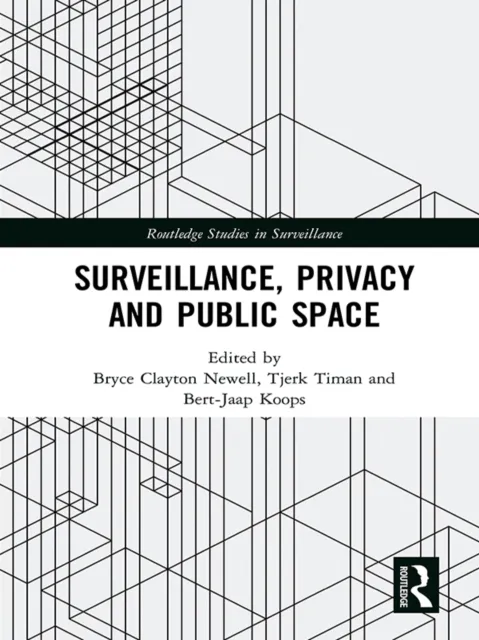
Surveillance, Privacy and Public Space

Public Space and Surveillance
Today, public space has become a fruitful venue for surveillance of many kinds. Emerging surveillance technologies used by governments, corporations, and even individual members of the public are reshaping the very nature of physical public space. Especially in urban environments, the ability of individuals to remain private or anonymous is being challenged.
Understanding Privacy in Public Spaces
Surveillance, Privacy, and Public Space problematizes our traditional understanding of ‘public space’. The chapter authors explore intertwined concepts to develop current privacy theory and frame future scholarly debate on the regulation of surveillance in public spaces. This book also explores alternative understandings of the impacts that modern living and technological progress have on the experience of being in public, as well as the very nature of what public space really is.
Audience and Disciplines
Representing a range of disciplines and methods, this book provides a broad overview of the changing nature of public space and the complex interactions between emerging forms of surveillance and personal privacy in these public spaces. It will appeal to scholars and students in a variety of academic disciplines, including sociology, surveillance studies, urban studies, philosophy, law, communication and media studies, political science, and criminology.