£48.23
Supporting Cultural Change in Organizations
By Expanding Information, Awareness, And Motivation

Organizational Change and Cultural Impact
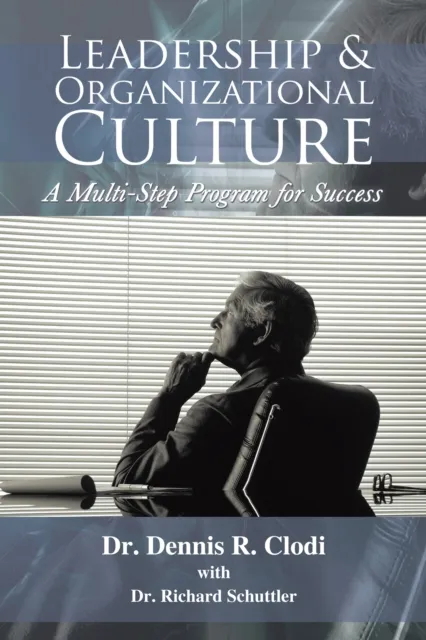
Organizational change is rampant today and when it affects the culture, chaos, diminished productivity, and poor morale are often the result. This book was written for leaders and change agents who are faced with implementing a large-scale change initiative that affects the culture. Its content synthesizes practical recommendations following accepted change management premises and practices with knowledge from experts and pioneers in the fields of management, science, psychology, and spirituality about what cultural change efforts require to be successful.
It includes how to implement tried and true change management practices, such as conducting a communications campaign to ensure all affected leaders and members are kept regularly informed about the impacts of the change. It also provides tutorials on aspects of an organization's functioning that change agents need to consider for achieving change program success. Although these actions are important in all change program types, cultural change requires attention and emphasis on its members.
A strong culture is formed and sustained by its people. Consequently, for a culture to change, its people must change. However, it necessitates that members not only change what they do but also to determine what the change personally means to them.
The Dynamics of Cultural Change
Organizations are living systems. Large-scale change programs throw the cultural system out of balance. Negativity and confusion often occur because change disturbs the balance and flow of people's driving, motivational force. The very processes required for transition modify a culture's motivation, which can cause the collective to react.
This text addresses methods for discovering the organization's specific type of motivational power. The focus then shifts to members' unique motivational patterns and issues that arise when the culture changes. It delves deeper than external motivators or behavioral preferences and focuses on intrinsic meaning.
Assessments and Supporting Member Morale
The proposed program recommends cultural assessments to enlighten leaders on the gap between the attributes of the current culture and its future state. It also suggests individual and group assessments for members to discover their personal motivational patterns, as well as patterns of negative belief that may have become non-serving. It further supports members through a process to consciously work with their patterns and to alter any that they decide are non-serving.
Furthermore, since member morale often plummets during cultural change, the proposed program recommends quantitative and qualitative assessments to measure existing negative morale patterns at the start of a change initiative. Through increased awareness of previously hidden issues, leaders are equipped to take action to rectify situations that may cause morale to spiral downward during cultural change.
Goals of the Cultural Change Program
Consequently, the detailed, customized cultural change education and support program in this book is designed to expand (1) information sharing about the effect of the cultural change at the organization, group, and individual levels, (2) awareness of leaders and members about the effect of the change on the organization's motivational power that enables the productivity driving the organization forward, and (3) motivation of members by supporting them in their self-discovery of their personal motivational and hidden negative belief patterns and determining whether there is a need for personal change.
Sustaining their motivation also necessitates the elimination of hidden sources of negative morale.
Implementation and Applicability
Each chapter offers conceptual models and theory illustrated with case study vignettes and application exercises. The book concludes with a step-by-step plan for designing and implementing the proposed program. It is applicable to all principled, ethical organizations who are seeking to simultaneously support the needs of the organization and the needs of its people.