£38.49
£54.99
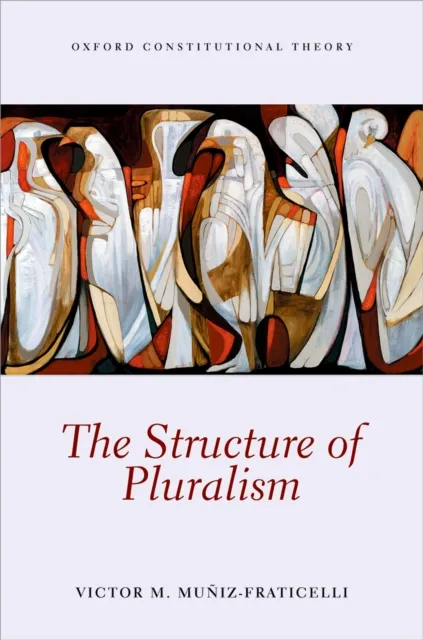
Structure of Pluralism

Introduction to Pluralism
Pluralism proceeds from the observation that many associations in liberal democracies claim to possess, and attempt to exercise, a measure of legitimate authority over their members. They assert that this authority does not derive from the magnanimity of a liberal and tolerant state but is grounded, rather, on the common practices and aspirations of those individuals who choose to take part in a common endeavor.
Comparison with Other Theories
As an account of the authority of associations, pluralism is distinct from other attempts to accommodate groups like multiculturalism, subsidiarity, corporatism, and associational democracy. It is consistent with the explanation of legal authority proposed by contemporary legal positivists, and recommends that the formal normative systems of highly organized groups be accorded the status of fully legal norms when they encounter the laws of the state.
About the Book
In this book, Muniz-Fraticelli argues that political pluralism is a convincing political tradition that makes distinctive and radical claims regarding the sources of political authority and the relationship between associations and the state. Drawing on the intellectual tradition of the British political pluralists, as well as recent developments in legal philosophy and social ontology, the book argues that political pluralism makes distinctive and radical claims regarding the sources of political authority and the relationship between associations and the state.