£3.99
£6.99
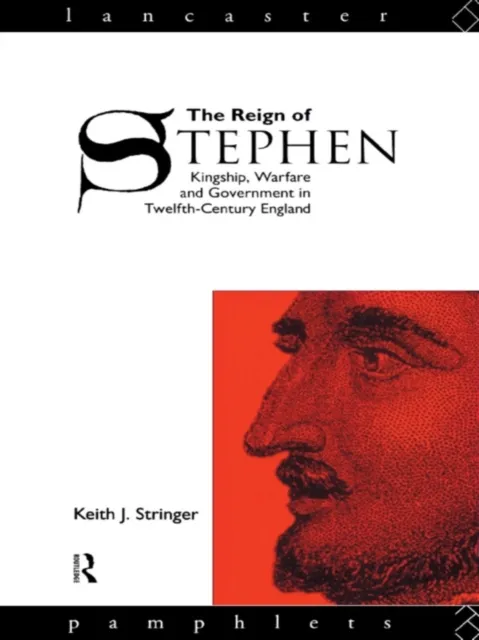
Stephen (Penguin Monarchs)
The Reign of Anarchy

Known as "the anarchy", the reign of Stephen (1135-1141) saw England plunged into a civil war that illuminated the fatal flaw in the powerful Norman monarchy, that without clear rules ordering succession, conflict between members of William the Conqueror's family were inevitable. But there was another problem, too: Stephen himself.
With the nobility of England and Normandy anxious about the prospect of a world without the tough love of the old king Henry I, Stephen styled himself a political panacea, promising strength without oppression. As external threats and internal resistance to his rule accumulated, it was a promise he was unable to keep. Unable to transcend his flawed claim to the throne, and to make the transition from nobleman to king, Stephen's actions betrayed uneasiness in his role, his royal voice never quite ringing true.