£115.00
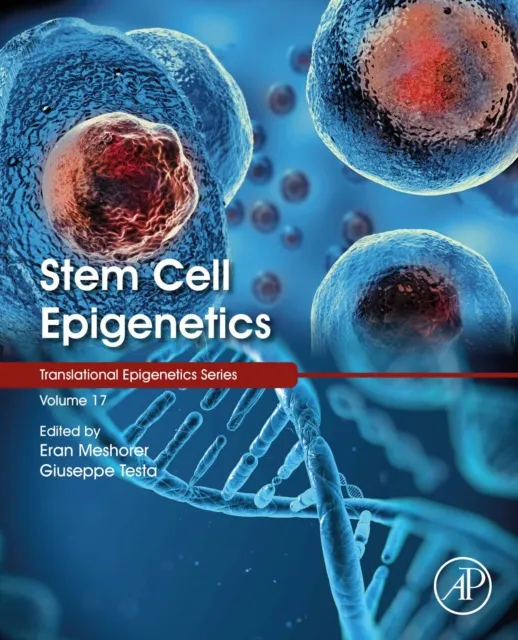
Stem Cell Epigenetics

Growing evidence suggests that epigenetic mechanisms play a central role in stem cell biology and are vital for determining gene expression during cellular differentiation and governing mammalian development.
In Stem Cell Epigenetics, leading international researchers examine how chromatin regulation and bona fide epigenetic mechanisms underlie stem cell renewal and differentiation. Authors also explore how the diversity of cell types, including the extent revealed by single cell omic approaches, is achieved, and how such processes may be reversed or managed via epigenetic reprogramming.
Topics discussed include chromatin in pluripotency, stem cells and DNA methylation, histone modifications in stem cells and differentiation, higher-order chromatin conformation in pluripotent cells, stem cells and cancer, epigenetics and disease modeling, brain organoids from pluripotent cells, transcriptional regulation in stem cells and differentiation, non-coding RNAs in pluripotency and early differentiation, and diseases caused by epigenetic alterations in stem cells. Additionally, the book discusses the potential implementation of stem cell epigenetics in drug discovery, regenerative medicine, and disease treatment.
Stem Cell Epigenetics will provide researchers and physicians with a state-of-the-art map to orient across the frontiers of this fast-evolving field.
Analyzes the role of epigenetics in embryonic stem cell regulation
Indicates the epigenetic mechanisms involved in stem cell differentiation and highlights modifications and misregulations that may result in disease pathogenesis
Examines the potential applications of stem cell epigenetics in therapeutic disease interventions and regenerative medicine, providing a foundation for researchers and physicians to bring this exciting and fast-evolving field into a clinical setting
Features chapter contributions by leading international experts