£44.99
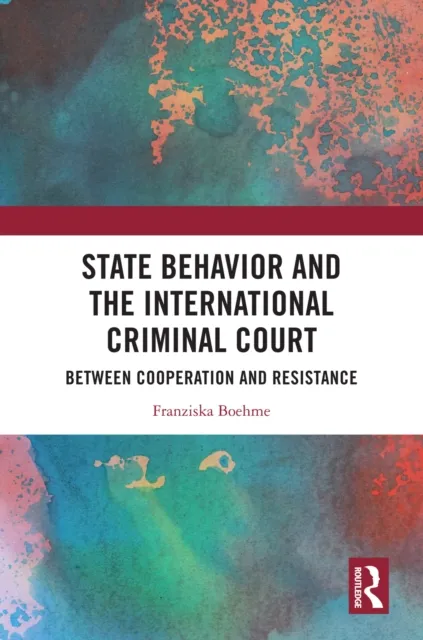
State Behavior and the International Criminal Court
Between Cooperation and Resistance

Book Analysis and Focus
This book analyzes patterns and causes of state cooperation with the International Criminal Court. The work focuses on several African cases, including those against leading state officials, to dive into current debates about compliance with international law and resistance to international courts.
Research Methodology and Findings
The book, which draws on interview data collected in The Hague, Kenya, and South Africa, reveals the diversity of state behaviors ranging from full compliance and diplomatic support to partial compliance to resistance and exit. This redirects the widespread narrative about African resistance against the ICC to include evidence of continued Court support.
Factors Influencing Cooperation
It is argued that the degree of cooperation the Court receives is affected by a government’s perceived costs and benefits of executing an ICC request: a cooperation request is considered high cost or low cost depending on the suspect’s position, the type of action requested, and the government’s domestic and regional policy objectives.
Role of the Court and State Dynamics
In response, the Court has been careful not to alienate states further, thus highlighting that the Court is both above and below the state: having the power to charge individuals including state officials, but relying on governments—sometimes those from which suspects come—to take action on behalf of the Court against the same suspects.
Target Audience
The book will be of interest to academics, researchers, and policymakers working in the areas of international law, human rights, international criminal justice, and international relations.