£17.49
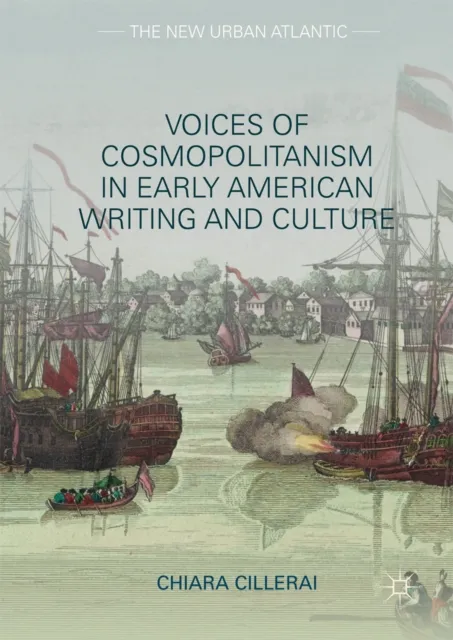
Speculative Fictions
Explaining the Economy in the Early United States

Speculative Fictions and American Literary History
Speculative Fictions places Alexander Hamilton at the center of American literary history to consider the important intersections between economics and literature. By studying Hamilton as an economic and imaginative writer, it argues that we can recast the conflict with the Jeffersonians as a literary debate about the best way to explain and describe modern capitalism, and explores how various other literary forms allow us to comprehend the complexities of a modern global economy in entirely new ways.
Overlooked Literary Genres
Speculative Fictions identifies two overlooked literary genres of the late eighteenth-century as exemplary of this narrative mode. It asks that we read periodical essays and Black Atlantic captivity narratives with an eye not towards bourgeois subject formation, but as descriptive analyses of economic systems.
Understanding the Portraits of a Global Economy
In doing so, we discover how these two literary genres offer very different portraits of a global economy than that rendered by the novel, the imaginative genre we are most likely to associate with modern capitalism.
The Power of Early Narratives
Developing an aesthetic appreciation for the speculative, digressive, and unsystematic plotlines of these earlier narratives has the capacity to generate new imaginative projects with which to make sense of our increasingly difficult economic world.