£43.99
Space Station Friendship

The Year and the Space Station
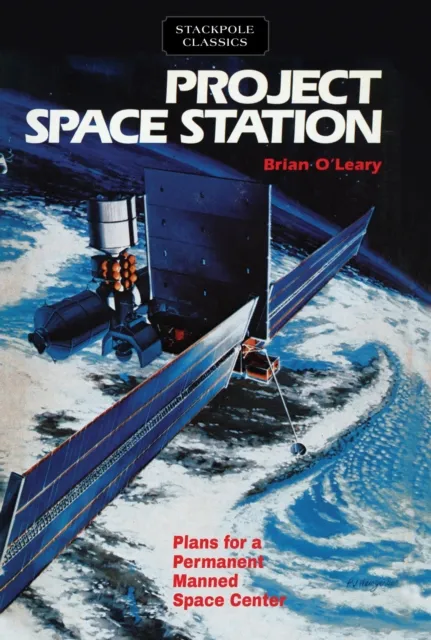
The year is 2007, the fiftieth anniversary of the Space Age. Space shuttle Discovery is about to dock at the first permanent U. S. space station, which author Dick Lattimer called Friendship. In all but name, the space station depicted in these pages is based on NASA plans.
Creating a Realistic Perspective
To help you project yourself on board, Lattimer has created a fictional crew, including three rookie crew members—doctoral candidates who have been chosen to do special work on their theses. By viewing the space station through their eyes, you’ll learn about the important work to be done there.
Research and Design
Friendship reflects existing technology and projected plans. As part of his extensive research, Lattimer, along with his son, illustrator Michael Lattimer, had the unique opportunity to spend several different days aboard the space station mockup at Huntsville, Alabama.
Life Aboard the Space Station
Inevitably, there will be design modification. But life aboard our first permanent space station will probably resemble life on space station Friendship.
Elements of the Space Station
In these pages you’ll visit the many elements of the space station, including the habitation modules, the animal research facility, and the “industrial park.” You’ll learn about the modules of the European Space Agency and of Japan, and about the mobile servicing station, the next-generation Canadarm.
Questions and Discussions
As the staff members discuss their work with the “rookies,” you’ll find the answers to their questions like these:
- How will they handle emergencies?
- How will they get supplies?
- What kinds of R&D work will they do?
- How will they use the Hubble Telescope?
How will they cope with isolation and confinement?