£11.57
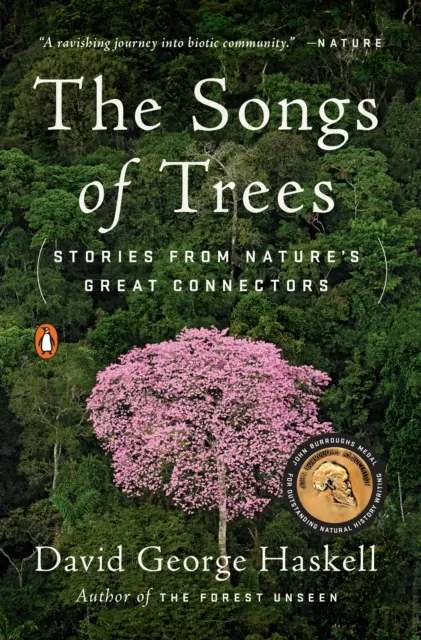
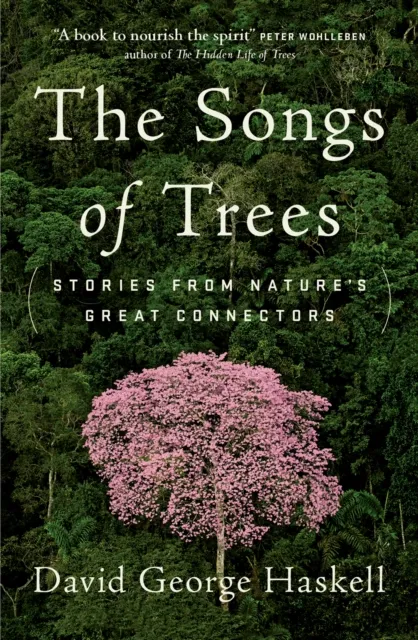
Songs of Trees
Stories from Nature's Great Connectors

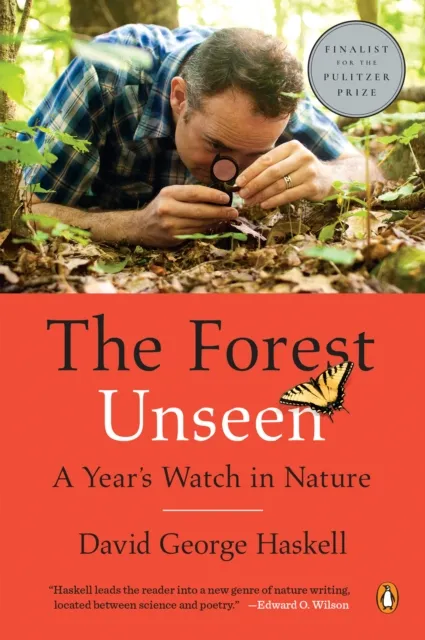
The author of the Pulitzer Prize finalist The Forest Unseen visits with nature’s most magnificent networkers – trees.
David George Haskell’s The Forest Unseen won acclaim for eloquent writing and deep engagement with the natural world. Now he brings his powers of observation to the biological networks that surround all species, including humans.
Haskell repeatedly visits a dozen trees around the world, exploring the trees’ connections with webs of fungi, bacterial communities, cooperative and destructive animals and other plants. An Amazonian ceibo tree reveals the rich ecological turmoil of the tropical forest, along with threats from expanding oil fields. Thousands of miles away, the roots of a balsam fir in Canada survive in poor soil only with the help of fungal partners—in links that are nearly two billion years old.
By unearthing charcoal left by Ice Age humans and petrified redwoods in the Rocky Mountains, Haskell shows how the Earth’s climate has emerged from exchanges among trees, soil communities and the atmosphere. Now humans have transformed these networks, powering our societies with wood, tending some forests, but destroying others.
Through his exploration, Haskell shows that this networked view of life enriches our understanding of biology, human nature and ethics. When we listen to trees, nature’s great connectors, we learn how to inhabit the relationships that give life its source, substance and beauty.
‘David George Haskell is a wonderful writer and an equally keen observer of the natural world. The Songs of Trees is at once lyrical and informative, filled with beauty and also a sense of loss.’ —Elizabeth Kolbert, Pulitzer Prize-winning author of The Sixth Extinction
‘David George Haskell may be the finest literary nature writer working today. The Songs of Trees - compelling, lyrical, wise - is a case in point. Don''t miss it.’ —Deborah Blum, Pulitzer Prize-winning director of the Knight Science Journalism Program at MIT
‘Haskell’s message is straightforward and important: we are a part of nature, and the trees with whom we share our environment are vital parts of our lives.’ —Kirkus