£58.09
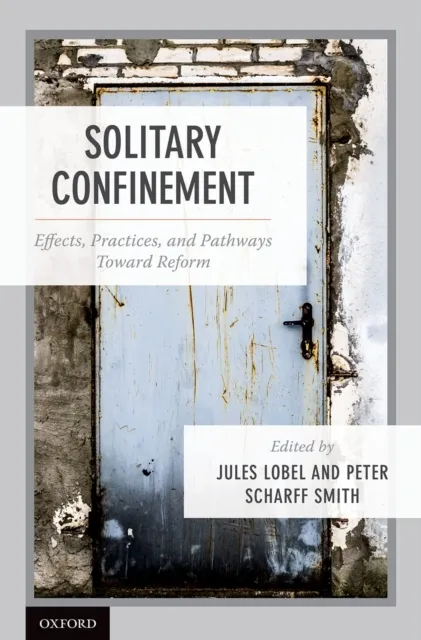
Solitary Confinement
Effects, Practices, and Pathways toward Reform

Introduction to Solitary Confinement
The use of solitary confinement in prisons became common with the rise of the modern penitentiary during the first half of the nineteenth century and has since remained a feature of many prison systems all over the world. Solitary confinement is used for a panoply of different reasons although research tells us that these practices have widespread negative health effects. Besides the death penalty it is arguably the most punitive and dangerous intervention available to state authorities in democratic nations.
Current Statistics and International Perspective
Nevertheless, in the United States there is currently an estimated 80-100,000 prisoners in small cells for more than 22 hours per day with little or no social contact and no physical contact visits with family or friends. Even in Scandinavia, thousands of prisoners are placed in solitary confinement every year and with an alarming frequency. These facts have spawned international interest in this topic and a growing international reform movement, which includes researchers, litigators and human rights defenders as well as prison staff and prisoners.
About the Book
This book is the first to take a broad international comparative approach and to apply an interdisciplinary lens to this subject. In this volume neuroscientists, high level prison officials, social and political scientists, medical doctors, lawyers and former prisoners and their families from different countries will address the effects and practices of prolonged solitary confinement and the movement for its reform and abolition.