£7.99
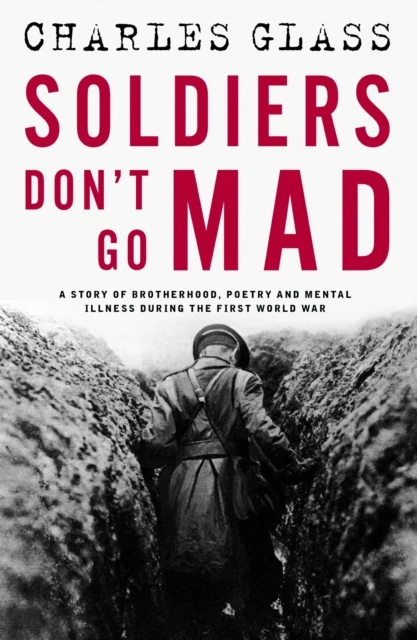
Soldiers Don't Go Mad
A Story of Brotherhood, Poetry and Mental Illness During the First World War

Book Overview
A brilliant and poignant history of the friendship between two great war poets, Siegfried Sassoon and Wilfred Owen, alongside a narrative investigation of the origins of PTSD and the literary response to World War I. Recommended not only to psychiatrists but also to those with an interest in the complex relationships created by war and the management of trauma.
Historical Context
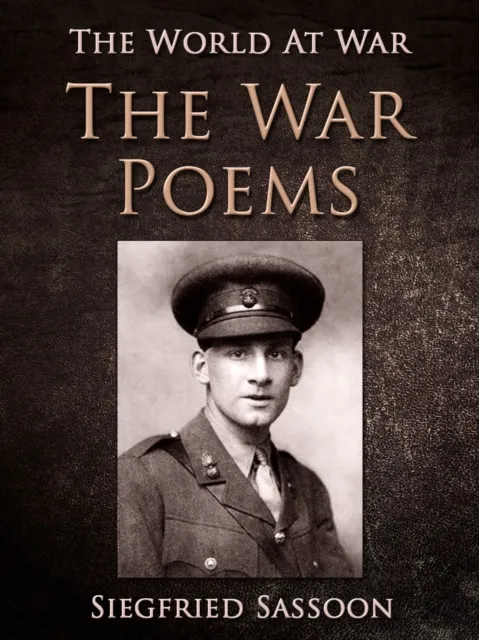
Second Lieutenant Wilfred Owen was twenty-four years old when he was admitted to the newly established Craiglockhart War Hospital for treatment of shell shock. A burgeoning poet, trying to make sense of the terror he had witnessed, he read a collection of poems from a fellow officer, Siegfried Sassoon, and was impressed by his portrayal of the soldier's plight. One month later, Sassoon himself arrived at Craiglockhart, having refused to return to the front after being wounded during battle.
The Development of Friendship and Therapy
As their friendship evolved over their months as patients at Craiglockhart, each encouraged the other in their work, in their personal reckonings with the morality of war, as well as in their treatment. Therapy provided Owen, Sassoon, and fellow patients with insights that allowed them to express themselves better, and for the 28 months that Craiglockhart was in operation, it notably incubated the era's most significant developments in both psychiatry and poetry.
About the Book "Soldiers Don’t Go Mad"
Drawing on rich source materials, as well as Glass's own deep understanding of trauma and war, Soldiers Don’t Go Mad tells for the first time the story of the soldiers and doctors who struggled with the effects of industrial warfare on the human psyche. As he investigates the roots of what we now know as post-traumatic stress disorder, Glass brings historical bearing to how we must consider war's ravaging effects on mental health, and the ways in which creative work helps us come to terms with even the darkest of times.