£47.99
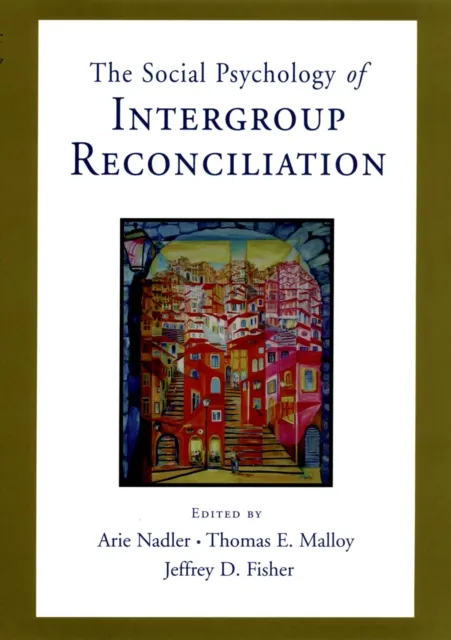
Social Psychology of Intergroup Reconciliation
From Violent Conflict to Peaceful Co-Existence

Overview
The volume begins with an overview by Herbert Kelman discussing reconciliation as distinct from related processes of conflict settlement and conflict resolution.
Intergroup Reconciliation
Following that, the first section of the volume focuses on intergroup reconciliation as consisting of moving beyond feelings of guilt and victimization (i.e., socio-emotional reconciliation). These processes include acceptance of responsibility for past wrongdoings and being forgiven in return. Such processes must occur on the background of restoring and maintaining feelings of esteem and respect for each of the parties.
Processes of Learning and Trust
The chapters in the second section focus on processes through which parties learn to co-exist in a conflict free environment and trust each other (i.e., instrumental reconciliation). Such learning results from prolonged contact between adversarial groups under optimal conditions. Chapters in this section highlight the critical role of identity related processes (e.g., common identity) and power equality in this context.
Real World Programs and Insights
The contributions in the third part apply the social-psychological insights discussed previously to an analysis of real world programs to bring reconciliation (e.g., Tutsis and Hutus in Rwanda, Israelis and Palestinians, and African societies plagued by the HIV epidemic and the Western aid donors).
Concluding Insights
In a concluding chapter Morton Deutsch shares his insights on intergroup reconciliation that have accumulated in close to six decades of work on conflict and its resolution.