£50.00
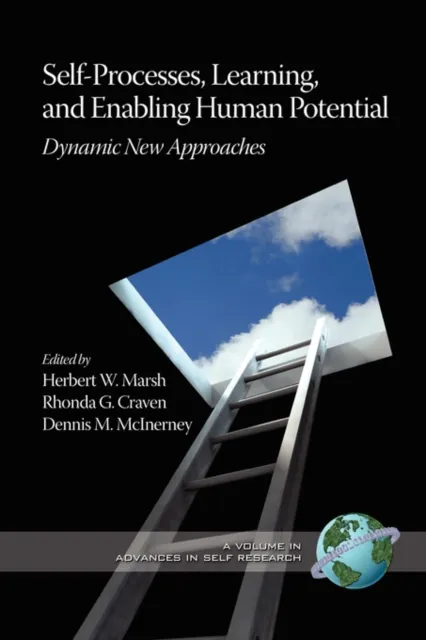
Self-Processes, Learning, and Enabling Human Potential
Dynamic New Approaches

Self and Theoretical Perspectives
This volume deals with a wealth of issues related to self, from the overarching theoretical perspective of Bandura and his careful and thorough analysis of the agentic self, highlighting the complexities of our multiple selves acting in an integrated, holistic, and dynamic fashion.
Self Concept and Frameworks
It also offers an engaging and novel treatment of self concept as a rope by John Hattie. From many of the chapters, we see the utility value of the social cognitive theory and self-determination theory frameworks for interpreting self-processes and how these processes might drive engagement in learning.
Key Self-Processes
In particular, we see how autonomy support, self-regulation, self-efficacy, and self-regulation are part and parcel of self-processes intimately involved as individuals work out their futures and possible selves. Entwined with these processes are the development of identity, resilience, and a sense of well-being.
Self-Processes in Context
The BFLPE and bullying chapters provide two examples of self-processes in operation in the school context. What can we take from this? Self-processes are complex, differentiated, and yet coordinated.
Understanding the Whole and the Parts
By focusing on the agentic self, we consider the whole person-picture as a rich, integrated, and dynamic tapestry. By focusing on differentiated self elements such as self-regulation, self-determination, self-concept, and self-efficacy, we are able to examine, in more detail, some of the individual threads of the tapestry and the roles they play in the integrated self.
Conclusion
Overall, we learn that self-processes are dynamic and are fundamental to enabling human potential.