£299.99
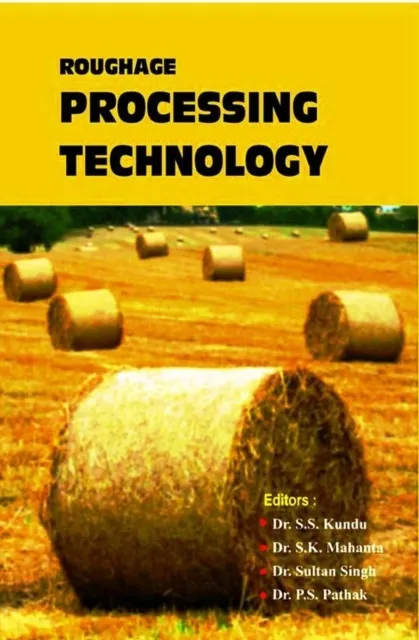
Roughage Processing Technology

Current Situation of Crop Residues in India
Currently India is producing 540 million tones of crop residues that include mainly straws, stovers, dry grasses and roughages. These feed resources are high in fiber, low in cell contents and bulky in nature. Roughages are of poor quality in terms of palatability, digestibility and nutrients availability and thus are unable to meet even the maintenance requirement of animals.
Importance of Improving Roughage Quality
Roughages along with other crop residues are the main ingredients of feeding systems in India and also in most of developing nations. The poor nutritive value of these feeds is the main hindrance in the better livestock productivity and thus improvement in the nutritive value of such feeds by different technologies viz. baling, densification, block making, ammoniation, urea treatment, fungal treatment, enzyme additives and more is the demand of the hour.
Technologies for Enhancing Feed Value
These animal feed science techniques not only will improve the nutritive value but also increase the palatability and density that will aid in their easy handling, transportation and storage. The editors of the book "Roughage Processing Technology" have compiled the available information furnished by experts of different aspects of feed technology across the country.
Features of the Book
Compaction of fibrous feeds, roughage particle, mechanical harvesting of fodder, processed feed for camel, block making, chemical preservation of forage, densification machines are the unique features of the book. The book will be of great relevance to the research scientists engaged in feed processing, nutrition of livestock and feed manufacturers besides the students and other associated with the animal husbandry enterprise.