£25.00
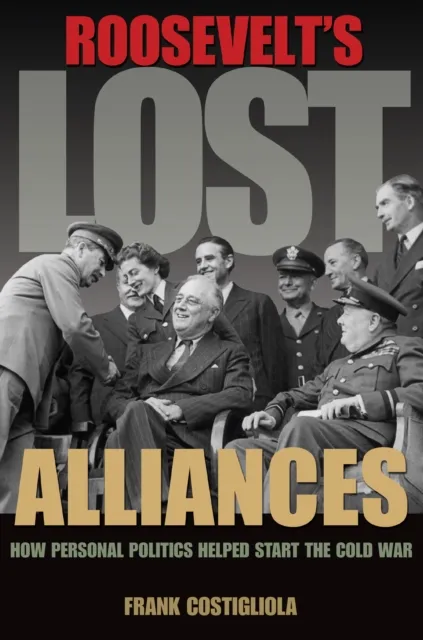
Roosevelt's Lost Alliances
How Personal Politics Helped Start the Cold War

How the Grand Alliance of World War II succeeded—and then collapsed—because of personal politics
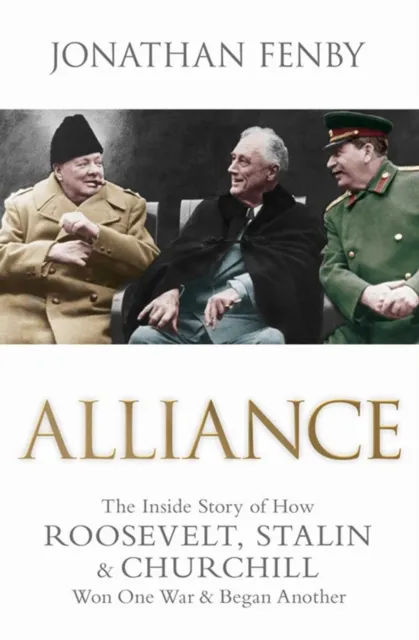
In the spring of 1945, as the Allied victory in Europe was approaching, the shape of the postwar world hinged on the personal politics and flawed personalities of Roosevelt, Churchill, and Stalin. Roosevelt's Lost Alliances captures this moment and shows how FDR crafted a winning coalition by overcoming the different habits, upbringings, sympathies, and past experiences of the three leaders. In particular, Roosevelt trained his famous charm on Stalin, lavishing respect on him, salving his insecurities, and rendering him more amenable to compromise on some matters.
Yet, even as he pursued a lasting peace, FDR was alienating his own intimate circle of advisers and becoming dangerously isolated. After his death, postwar cooperation depended on Harry Truman, who, with very different sensibilities, heeded the embittered "Soviet experts" his predecessor had kept distant. A Grand Alliance was painstakingly built and carelessly lost. The Cold War was by no means inevitable.
This landmark study brings to light key overlooked documents, such as the Yalta diary of Roosevelt's daughter Anna; the intimate letters of Roosevelt's de facto chief of staff, Missy LeHand; and the wiretap transcripts of estranged adviser Harry Hopkins. With a gripping narrative and subtle analysis, Roosevelt's Lost Alliances lays out a new approach to foreign relations history. Frank Costigliola highlights the interplay between national political interests and more contingent factors, such as the personalities of leaders and the culturally conditioned emotions forming their perceptions and driving their actions. Foreign relations flowed from personal politics—a lesson pertinent to historians, diplomats, and citizens alike.