£38.99
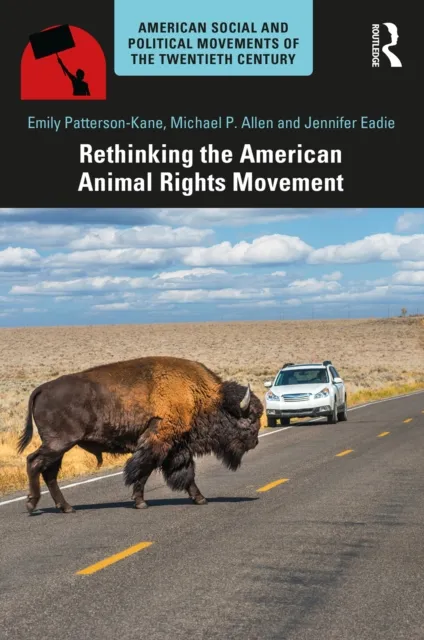
Rethinking the American Animal Rights Movement

Introduction
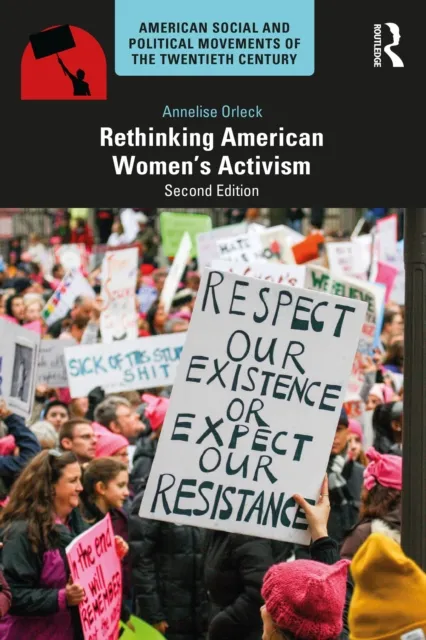
Along with Civil Rights and Women’s liberation, Animal Rights became one of leading social moments of the twentieth century. This book critically reviews all principal contributions to the American animal rights debate by activists, campaigners, academics, and lawyers, while placing animal rights in context with other related and competing movements.
Strategies and Theoretical Frameworks
Rethinking the American Animal Rights Movement examines the strategies employed within the movement to advance its goals, which ranged from public advocacy and legal reforms to civil disobedience, vigilantism, anarchism, and even "terrorism." It summarizes key theoretical and legal frameworks that inspired those strategies, as well as the ideological motivations of the movement. It highlights the irreconcilable tension between moral and legal rights verses "humane treatment of animals" as prescribed by advocates of animal welfarism.
Historical Context and Movement Development
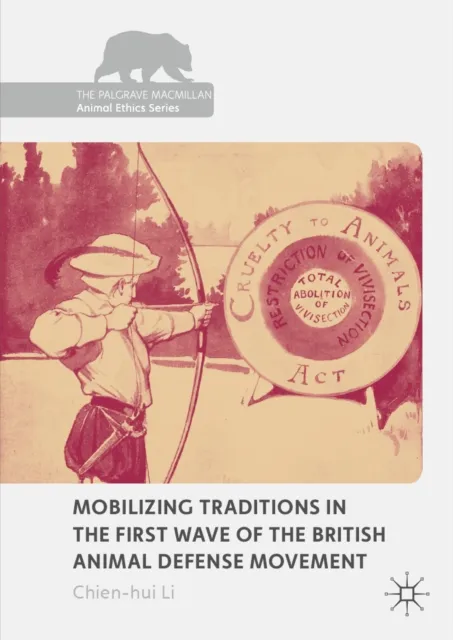
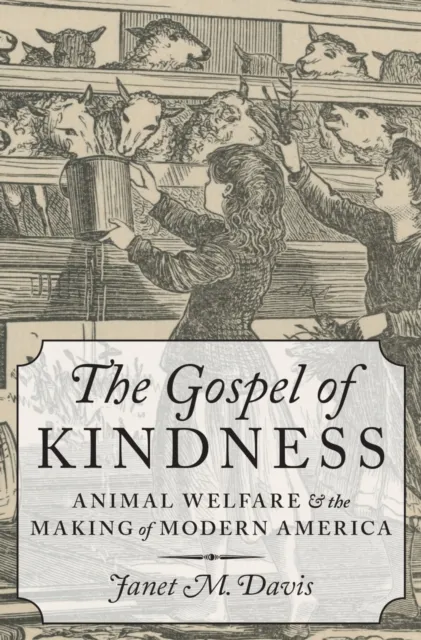
The book also looks back to the nineteenth century origins of the movement, examining its appeal to a sentimentalist conception of rights standing in marked contrast with twentieth century rights theory. After providing an extensive social history of the twentieth century movement, the book subsequently offers a diagnosis of why it stalled at the turn of millennium in its various efforts to advance the cause of nonhuman animals. This diagnosis emphasizes the often-contradictory goals and strategies adopted by the movement in its different phases and manifestations across three centuries.
Conclusion
The book is unique in presenting students, activists, and scholars with a history and critical discussion of its accomplishments, failures, and ongoing complexities faced by the American animal rights movement.