£19.99
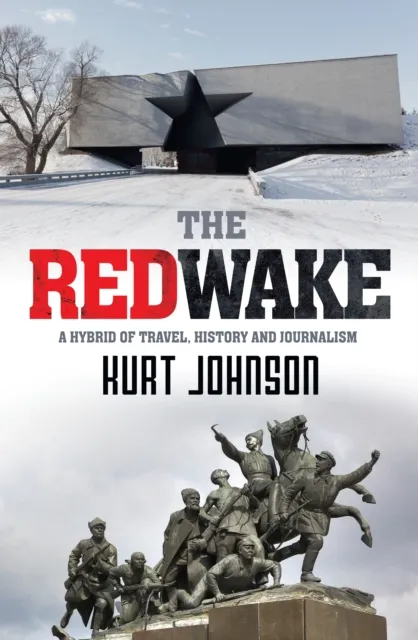
Red Wake
A Hybrid of Travel, History and Journalism

A hybrid of travel, history and journalism in the tradition of Stasiland
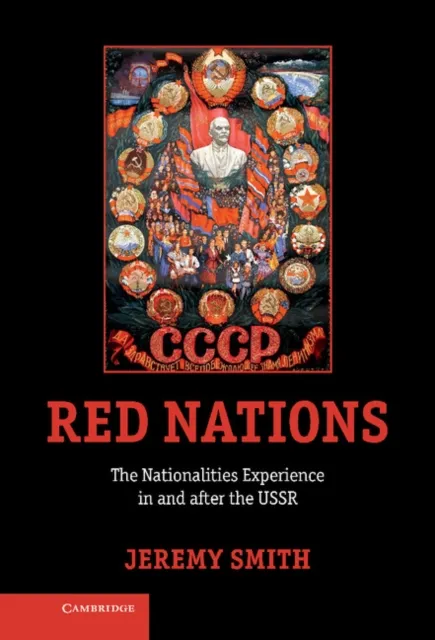
The Soviet Union has become a brand. People are growing up with the language of its symbols and archetypes but are not able to penetrate beyond to the meat of its substance. In 2006 Kurt Johnson travelled through the Balkans, Romania and Bulgaria. He noticed that these Soviet satellites appeared like organs cut off from the heart left to atrophy. It became imperative that he visit the heart. Kurt enrolled in Beginners Russian at the community college and spent an hour each day learning Russian.
In 2012 Kurt bought a motorbike and travelled through Eastern Europe, the Caucasus to Iran and back to Berlin. With the exception of Iran and Turkey the entire trip was carried out in communist or formerly communist countries. Back in Sydney Kurt did more research. He came to the conclusion that far from being dormant, the legacy of the Soviet Union continues to impact us today in almost every area: geopolitical configurations; our concept of freedom and oppression; in art, diplomacy and technology. The 2012 trip coincided with the death of his grandfather and forced Kurt to realise that his family history was relevant here too. His mother’s Czech-born parents had lost everything to the communists and fled, coming to Australia as refugees, owing their predicament to communism. This idea soon took up almost all of his time, bordering on obsession with events such as terrorist attacks in Chechnya, the oil wars in Kazakhstan and Russia invading Crimea and Transnistria spurring his research. The hammer and sickle began to appear with increasing frequency on the front pages of foreign policy and news magazines, this time in regards to Russia (instead of just China).
Kurt is travelling again now, exploring his thesis one more time by investigating other legacies left by the Soviets, like ethnic conflicts in the Caucasus, the grab for oil and natural gas in Central Asia, the ecological disasters that continue to make life so difficult for the people of the Kazakh and Uzbek steppe, as well as others. All still rest heavily on our modern world, sometimes heavier and more alive than they were during the USSR.