£42.99
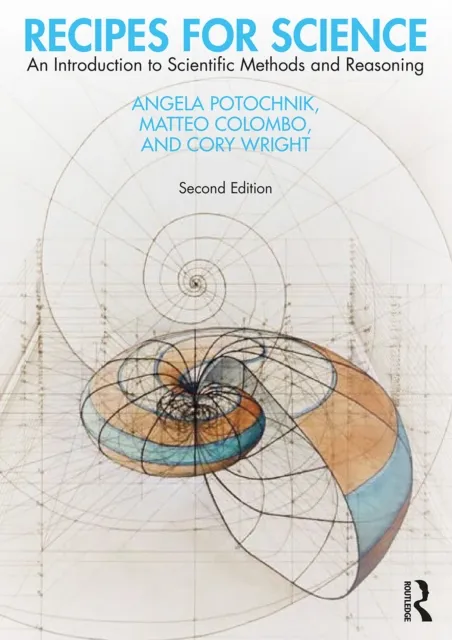
Recipes for Science
An Introduction to Scientific Methods and Reasoning

Scientific literacy is an essential aspect of any undergraduate education.
Recipes for Science responds to this need by providing an accessible introduction to the nature of science and scientific methods appropriate for any beginning college student. The book is adaptable to a wide variety of different courses, such as introductions to scientific reasoning, methods courses in scientific disciplines, science education, and philosophy of science.
Special features of Recipes for Science include contemporary and historical case studies from many fields of physical, life, and social sciences; visual aids to clarify and illustrate ideas; text boxes to explore related topics; plenty of exercises to support student recall and application of concepts; suggestions for further readings at the end of each chapter; a glossary with helpful definitions of key terms; and a companion website with course syllabi, internet resources, PowerPoint presentations, lecture notes, additional exercises, and original short videos on key topics.
Key Updates to the Second Edition
- 13 short chapters of uniform length that make it easier to adapt to a college semester
- Case studies and examples featuring new research and important historical research across many fields of science
- Added discussion of timely topics, including large research collaborations, trust and distrust of science, machine learning and other technology-driven advances, diversity in science, and connections to indigenous knowledge
- Streamlined and simplified discussion of some topics, such as experimentation and statistical hypothesis-testing
- Exercises that are clearly aligned with learning goals and sorted into types: Recall, Apply, and Think
- Additional online exercises and a series of original videos on key topics
- Exercise solutions available on an instructor-only section of the website