£50.99
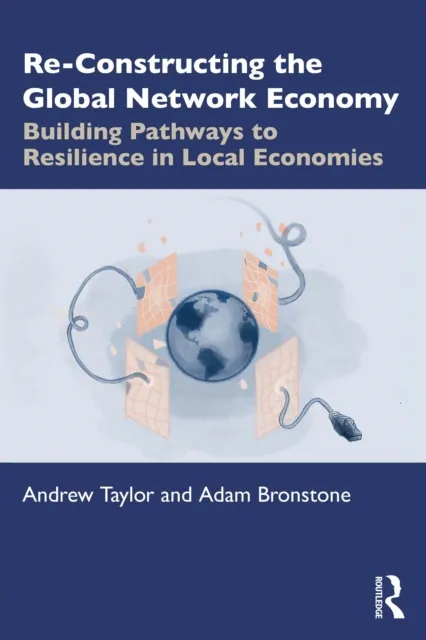
Re-Constructing the Global Network Economy
Building Pathways to Resilience in Local Economies

Overview
This book looks at how to build more resilience into socio-economic networks within local communities. Understanding the relationships between attachment to place, complex systems and patterns of knowledge creation is not straightforward, but these relationships are emerging as the challenges that we face in bridging the gap between the social worlds that we inhabit and an emerging digital world.
Context and Relevance
These issues have been brought into even sharper focus through changes resulting from the COVID-19 pandemic. On the one hand, forced familiarity with communication technologies is driving globalisation forwards, whilst on the other, the crisis has created awareness of dependencies and heightened desires for more local solutions. Plenty of books have been written about the rise of digital networks and the decline of local communities. This book takes a radical approach by identifying how these trends fit together and provides examples of how digital networks can be made to work for the local as well as the global economy. Using a case study approach, the book offers a clear-sighted view of the role of relational capital in specific places and organisations and shows the transformational impact that they can have at a micro level.
Intended Audience
The book deliberately seeks to shake up preconceived ideas and is ideal for strategy practitioners and policy makers within governments and NGOs involved in connecting local to wider network economies.