£370.00
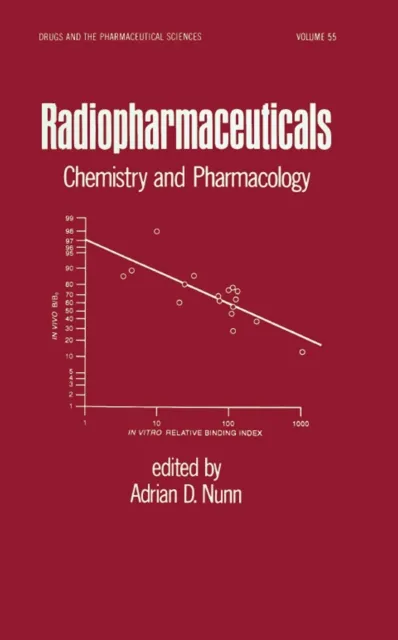
Radiopharmaceuticals
Chemistry and Pharmacology

Introduction
This timely resource compares single-photon emission tomography (SPECT), used mainly with Technetium and iodine for routine clinical examinations, and positron emission tomography (PET), employing short-lived radionuclides of carbon, oxygen, nitrogen, and fluorine in research investigations. Presenting the logic behind why one approach is better than another in various circumstances, Radio pharmaceuticals details the use of radiolabelled substrates in measuring the effect of disease and drugs on regional metabolism and receptor concentration/occupancy.
Factors Affecting Radiolabelled Compounds
Discusses factors affecting the selective retention of small metal complexes by various tissues. Analyzes the interaction of small exogenous metal complexes with enzymes in vivo and the critical role of stereochemistry. Explores the use of radio labelled compounds in the study of neuroactive compounds, neurotransmitters, enzyme inhibitors, and substrates in vivo. Covers the design and pharmacology of radiolabelled drugs as probes of site of action, selectivity and specificity, and pharmacokinetics in vivo.
Additional Content
Extensively referenced with over 1,050 bibliographic citations, Radiopharmaceuticals is a state-of-the-art guide for pharmacists; organic, medicinal, and radiopharmaceutical chemists; pharmacokineticists; nuclear medicine physicians and technologists; neurochemists; and government regulatory personnel.