£10.30
£10.43
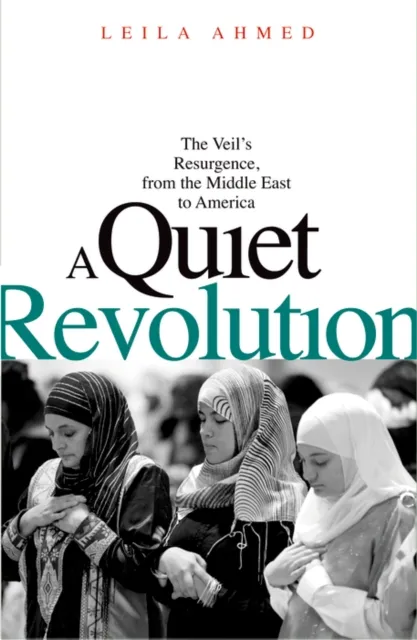
Quiet Revolution
The Veil's Resurgence, from the Middle East to America

A probing study of the veil's recent return
From one of the world's foremost authorities on Muslim women—that reaches surprising conclusions about contemporary Islam's place in the West today.
In Cairo in the 1940s, Leila Ahmed was raised by a generation of women who never dressed in the veils and headscarves their mothers and grandmothers had worn. To them, these coverings seemed irrelevant to both modern life and Islamic piety. Today, however, the majority of Muslim women throughout the Islamic world again wear the veil. Why, Ahmed asks, did this change take root so swiftly, and what does this shift mean for women, Islam, and the West?
When she began her study, Ahmed assumed that the veil's return indicated a backward step for Muslim women worldwide. What she discovered, however, in the stories of British colonial officials, young Muslim feminists, Arab nationalists, pious Islamic daughters, American Muslim immigrants, violent jihadists, and peaceful Islamic activists, confounded her expectations.
Ahmed observed that Islamism, with its commitments to activism in the service of the poor and in pursuit of social justice, is the strain of Islam most easily and naturally merging with western democracies' own tradition of activism in the cause of justice and social change. It is often Islamists, even more than secular Muslims, who are at the forefront of such contemporary activist struggles as civil rights and women's rights.
Ahmed's surprising conclusions represent a near reversal of her thinking on this topic. Richly insightful, intricately drawn, and passionately argued, this absorbing story of the veil's resurgence, from Egypt through Saudi Arabia and into the West, suggests a dramatically new portrait of contemporary Islam.