£160.00
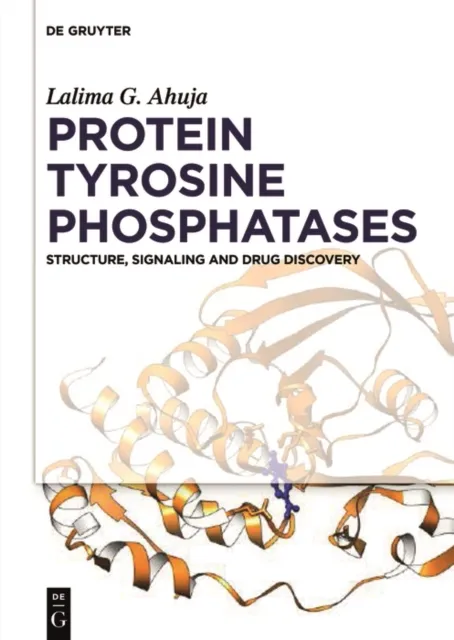
Protein Tyrosine Phosphatases
Structure, Signaling and Drug Discovery

Protein tyrosine phosphatases
remove phosphates from the phosphotyrosine residues of target proteins and reverse the action of various protein tyrosine kinases. This essential interplay between the opposing actions of protein tyrosine phosphatases and protein tyrosine kinases forms the basis of signaling networks that underlie the cellular workings of human physiology. Initially passed-off as housekeeping genes; these proteins were only acknowledged to maintain a steady background of phosphotyrosine levels in the cell. However, recent progress in studying their role in embryonic development and human disease has established their importance as regulators of signal regulation. Convincing evidence shows the role of mutations in these proteins to cause and/or intensify the severity of various diseases including metabolic and neurological disorders and also cancer. Protein tyrosine phosphatases have slowly, yet convincingly become crucial targets for therapeutic intervention of various human pathophysiologies.
This book describes these signaling enzymes
using the molecular details of their structure and mechanistic function. Various subtypes of cysteine-based Class I, II, III and the Haloacid dehalogenase related Class IV protein tyrosine phosphatases have been illustrated and explained. The superfamily of proteins is also described vis-a-vis its complimentary protein phosphoserine/phosphoserine phosphatases. Membrane bound receptor forms and the cytosolic non-receptor protein tyrosine phosphatases have been described for their biological function. This book serves as a reference for any reader looking to understand the sequence features, structural elements, molecular mechanism and cellular function of this superfamily of signaling enzymes.