£48.99
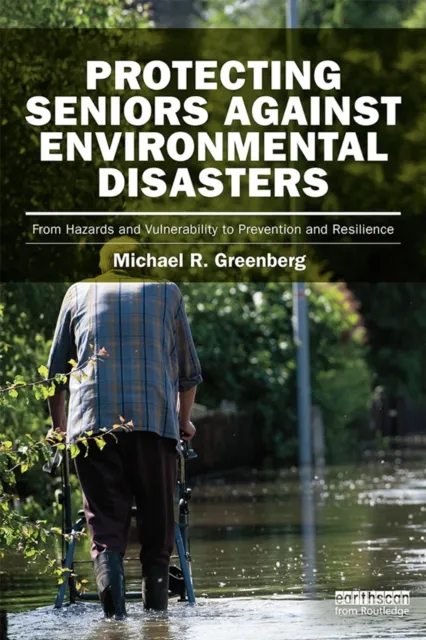
Protecting Seniors Against Environmental Disasters
From Hazards and Vulnerability to Prevention and Resilience

Introduction
The baby boom generation were born between 1946 and 1964 and are the largest population cohort in US history. They should number about 90 million by mid-century, more than doubling their current size. The massive increase in seniors and relative decline of those of working age in the US is mirrored in almost all the world’s most populous countries.
Book Overview
This book connects the dots between the US baby boom generation and the marked increase in natural and human-caused disasters. It evaluates options available to seniors, their aids, for and not-for and for-profit organizations and government to reduce vulnerability to hazard events. These include coordinated planning, risk assessment, regulations and guidelines, education, and other risk management efforts. Using interviews with experts, cases studies, especially of Superstorm Sandy, and literature, it culls best practice and identify major gaps. It is original and successful in making the connection between the growing group of vulnerable US seniors, environmental events, and risk management practices in order to isolate the most effective lessons learned.