£27.00
Prehistoric Pottery from Dakhleh Oasis, Egypt

Introduction
As one of the few surviving artifacts from the late prehistory of northeast Africa, pottery serves as an essential material category by which to explore long-term human development.
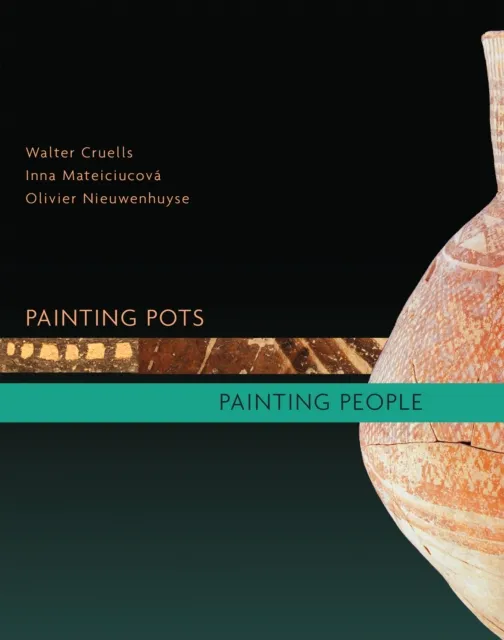
This book presents a major study on the ceramics recovered from early and mid-Holocene sites in Egypt’s Dakhleh Oasis, which come from 96 registered sites and five other findspots and comprise more than 10,000 sherds.
Manufacturing Evidence
In addition, there is little proxy evidence to support the manufacture of pottery in the form of kilns, clay firedogs, and other firing equipment.
Sources of Ceramic Objects
None of the ceramic objects come from burials; they derive instead from settlement sites that display evidence of living activities (hut circles, hearths, chipped stone scatters, etc.), or sites for which there is no other evidence of human activity.
Cultural Sequence and Variations
Through detailed description, classification, and quantification, a detailed cultural sequence has been determined, demonstrating discrete stylistic variations between sites and over time, highlighting growing diversity and innovation in local pottery-making from the late seventh to mid-third millennia cal. BC.
Implications
These shifts help to refine the characterization of local cultural units within the Holocene sequence for Dakhleh Oasis, and to compare against parallel pottery traditions elsewhere in the desert.
A firmer grounding in the oasis ceramics, as detailed here, offers inroads to examine social practices and the interconnectedness of desert groups of the ancient Eastern Sahara.