£45.00
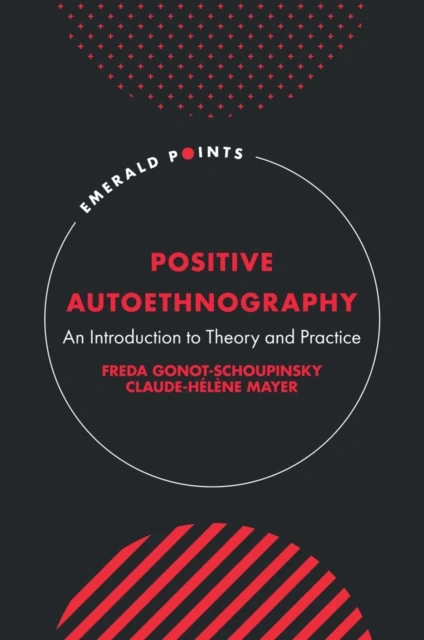
Positive Autoethnography
An Introduction to Theory and Practice

Positive Autoethnography (PosAE) Overview
Positive Autoethnography (PosAE) combines personal narrative and positive psychology to offer a new approach to self-reflective research. This methodology focuses on personal growth, resilience, and well-being, addressing the growing need for a more constructive, positive approach in fields like psychology and sociology. By emphasizing positive reflexivity, PosAE creates space for insights that uplift both writers and readers.
About the Book
In Positive Autoethnography: An Introduction to Theory and Practice, authors Dr. Freda Gonot-Schoupinsky and Prof. Dr. mult. Claude-Helene Mayer present the first comprehensive exploration of this methodology. Developed in consultation with Dr. Mark Weeks, and featuring the work of numerous scholars, this collection introduces the theoretical and practical underpinnings of PosAE. The authors reveal the close connection of PosAE to Pragmatic Autoethnography (PAE) and present its pragmatic usage across various applications.
Key Features
PosAE subtypes are showcased to highlight its therapeutic, intercultural, and collaborative potential, while addressing the unique needs PosAE fulfills within Positive Psychology (PP) and Autoethnography (AE). With practical examples and a broad interdisciplinary scope, this work underscores the adaptability of PosAE to a range of research contexts, making it accessible to scholars from diverse backgrounds.
Target Audience and Impact
Bringing a fresh perspective to qualitative research, Positive Autoethnography is a valuable resource for researchers, practitioners, and educators in PP, AE, psychology, social work, counseling, and beyond. Engaging in positive reflexivity, readers will find new ways to connect with autoethnographic practices that foster resilience, growth, and practical impact.