£41.99
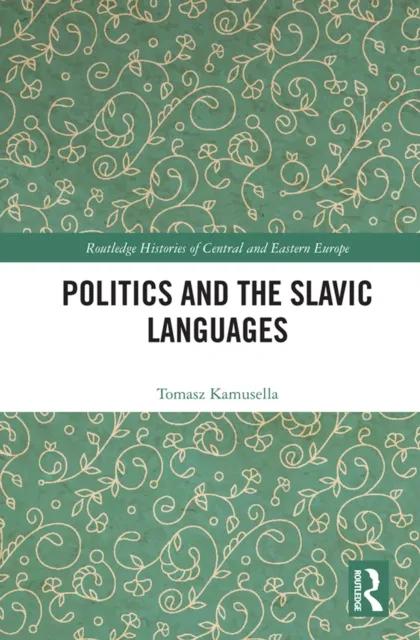
Politics and the Slavic Languages

Introduction
During the last two centuries, ethnolinguistic nationalism has been the norm of nation building and state building in Central Europe. The number of recognized Slavic languages (in line with the normative political formula of language = nation = state) gradually tallied with the number of the Slavic nation-states, especially after the breakups of Czechoslovakia, the Soviet Union and Yugoslavia. But in the current age of borderless cyberspace, regional and minority Slavic languages are freely standardized and used, even when state authorities disapprove. As a result, since the turn of the 19th century, the number of Slavic languages has varied widely, from a single Slavic language to as many as 40.
Scope and Significance
Through the story of Slavic languages, this timely book illustrates that decisions on what counts as a language are neither permanent nor stable, arguing that the politics of language is the politics in Central Europe. The monograph will prove to be an essential resource for scholars of linguistics and politics in Central Europe.