£32.00
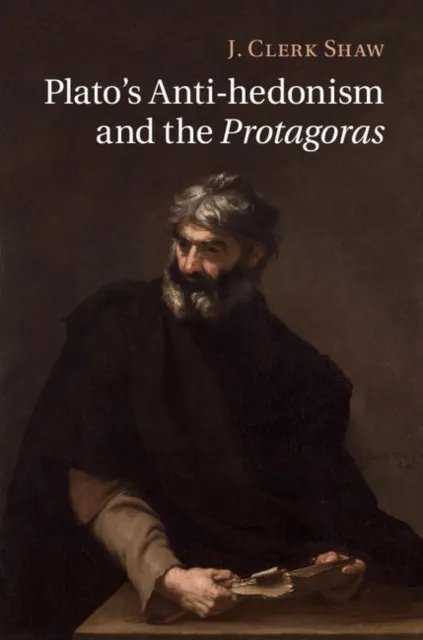
Plato's Anti-hedonism and the Protagoras

Plato and Hedonism
Plato often rejects hedonism, but in the Protagoras, Plato's Socrates seems to endorse hedonism. In this book, J. Clerk Shaw removes this apparent tension by arguing that the Protagoras as a whole actually reflects Plato's anti-hedonism.
Plato's Core Ideas
He shows that Plato places hedonism at the core of a complex of popular mistakes about value and especially about virtue: that injustice can be prudent, that wisdom is weak, that courage is the capacity to persevere through fear, and that virtue cannot be taught. The masses reproduce this system of values through shame and fear of punishment.
Depiction of Sophists and Orators
The Protagoras and other dialogues depict sophists and orators who have internalized popular morality through shame, but who are also ashamed to state their views openly. Shaw's reading not only reconciles the Protagoras with Plato's other dialogues, but harmonizes it with them and even illuminates Plato's wider anti-hedonism.