£149.50
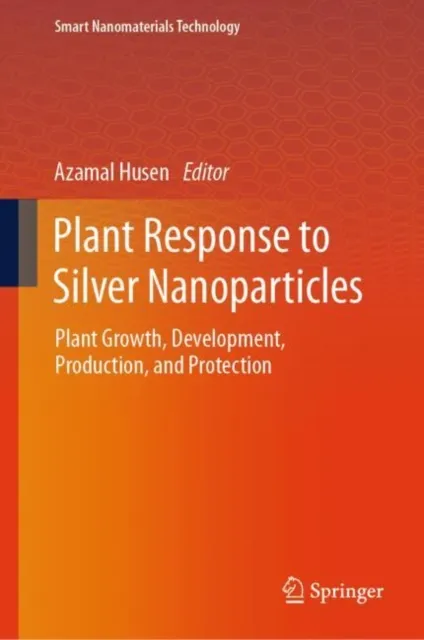
Plant Response to Silver Nanoparticles
Plant Growth, Development, Production, and Protection

Introduction
This book looks at the plant response to silver nanoparticles (Ag-NPs), which showed both beneficial and harmful effects in a plant system. These responses of Ag-NPs are primarily dependent on the concentration, plant species or cultivars, exposure time, shape, and size of NPs.
Effects of Ag-NPs on Plants
In general, lower concentrations of Ag-NPs increase seed germination, rate of photosynthesis, and overall growth, but at higher concentrations, all these responses are declined in many plant species. Moreover, Ag-NPs at higher concentration induce stress and or phytotoxicity and produce reactive oxygen species which leads to the disruption of cellular metabolism.
Cellular and Molecular Impacts
Ag-NPs exposure increased the number of chromosomal aberrations, micronuclei, and decreased the mitotic index in plant root tip cells. Proteomic study has shown that the exposure Ag-NPs resulted in an accumulation of protein precursors, indicative of the dissipation of a proton motive force. Ag-NPs also influence transcription of flowering key genes and thus delayed flowering time.
Role of Mycorrhizal Fungi and Other Plants
A beneficial role of arbuscular mycorrhizal fungi in influencing the effects of Ag-NPs on plant-microbe systems in a soil matrix has been also examined. Beside the terrestrial plants, these particles have also influenced the growth of some wetland and aquatic plants, which are covered in this book.
Target Audience
This book provides valuable information to scientists, researchers, and students, working specially on plant biology, plant nanobiotechnology, plant biochemistry, plant microbiology, agricultural and other allied subjects and or science.