£5.82
Picasso

Picasso's Early Life
Picasso was born a Spaniard and, so they say, began to draw before he could speak. As an infant he was instinctively attracted to artist’s tools. In early childhood he could spend hours in happy concentration drawing spirals with a sense and meaning known only to himself. At other times, shunning children’s games, he traced his first pictures in the sand. This early self-expression held out promise of a rare gift.
Birth and Education
Málaga must be mentioned, for it was there, on 25 October 1881, that Pablo Ruiz Picasso was born and it was there that he spent the first ten years of his life. Picasso’s father was a painter and professor at the School of Fine Arts and Crafts. Picasso learnt from him the basics of formal academic art training. Then he studied at the Academy of Arts in Madrid but never finished his degree.
Rebellion and Artistic Influences
Picasso, who was not yet eighteen, had reached the point of his greatest rebelliousness; he repudiated academia’s anemic aesthetics along with realism’s pedestrian prose and, quite naturally, joined those who called themselves modernists, the non-conformist artists and writers, those whom Sabartés called “the élite of Catalan thought” and who were grouped around the artists’ café Els Quatre Gats.
The Blue Period
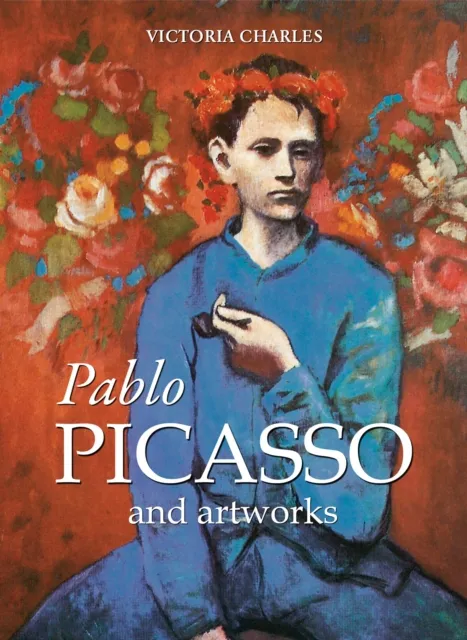
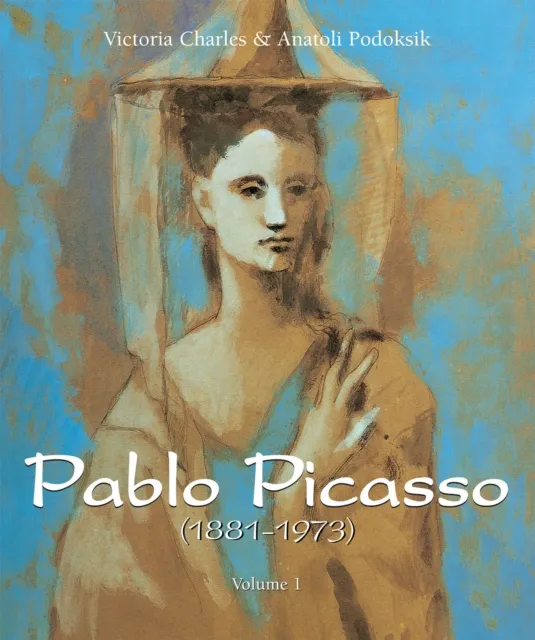
During 1899 and 1900 the only subjects Picasso deemed worthy of painting were those which reflected the “final truth”; the transience of human life and the inevitability of death. His early works, ranged under the name of “Blue Period” (1901-1904), consist in blue-tinted paintings influenced by a trip through Spain and the death of his friend, Casagemas. Even though Picasso himself repeatedly insisted on the inner, subjective nature of the Blue Period, its genesis and, especially, the monochromatic blue were for many years explained as merely the results of various aesthetic influences...