£38.99
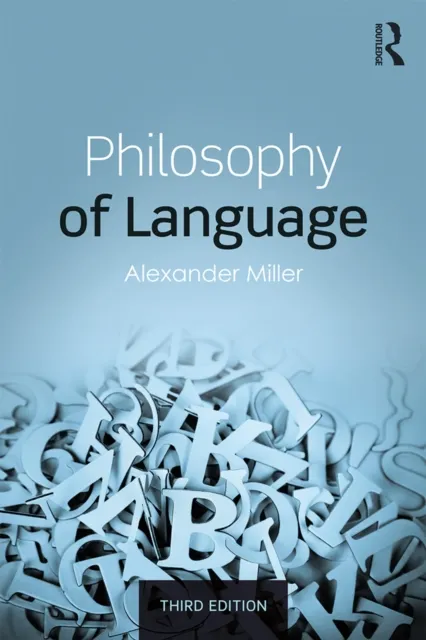
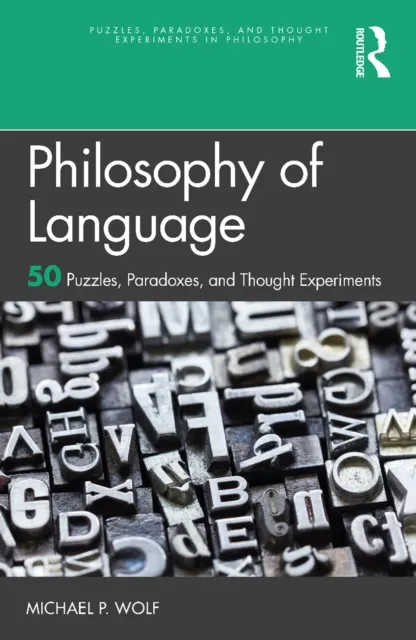
Philosophy of Language
50 Puzzles, Paradoxes, and Thought Experiments

Philosophy of Language: 50 Puzzles, Paradoxes, and Thought Experiments
This book offers readers a collection of 50 short chapter entries on topics in the philosophy of language. Each entry addresses a paradox, a longstanding puzzle, or a major theme that has emerged in the field from the last 150 years, tracing overlap with issues in philosophy of mind, cognitive science, ethics, political philosophy, and literature. Each of the 50 entries is written as a piece that can stand on its own, though useful connections to other entries are mentioned throughout the text. Readers can open the book and start with almost any of the entries, following themes of greatest interest to them. Each entry includes recommendations for further reading on the topic.
Philosophy of Language: 50 Puzzles, Paradoxes, and Thought Experiments is useful as a standalone textbook, or can be supplemented by additional readings that instructors choose. The accessible style makes it suitable for introductory level through intermediate undergraduate courses, as well as for independent learners, or even as a reference for more advanced students and researchers.
Key Features:
Uses a problem-centered approach to philosophy of language (rather than author- or theory-centered) making the text more inviting to first-time students of the subject.
Offers stand-alone chapters, allowing students to quickly understand an issue and giving instructors flexibility in assigning readings to match the themes of the course.
Provides up-to-date recommended readings at the end of each chapter, or about 500 sources in total, amounting to an extensive review of the literature on each topic.