£100.80
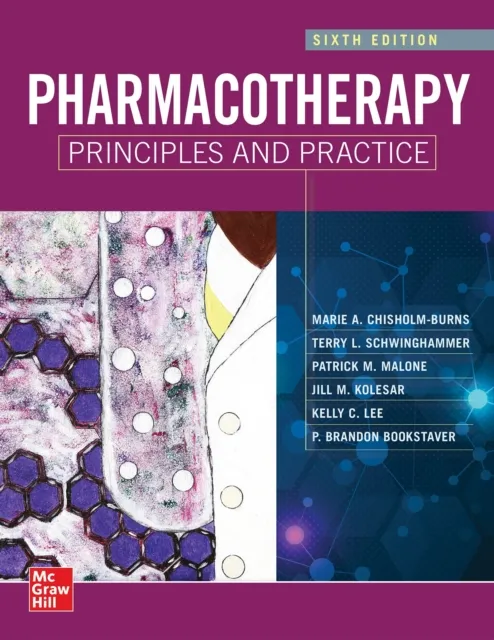
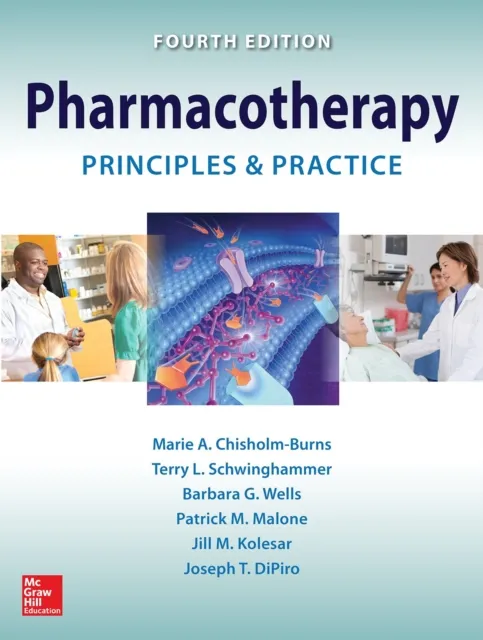
Pharmacotherapy Principles and Practice, Fourth Edition

Learn the essential principles of pharmacotherapy and how they apply to today’s healthcare.
Content derived from Pharmacotherapy: A Pathophysiologic Approach, 8e, the field’s most respected reference
Chapters will be peer-reviewed by both nurse practitioners and pharmacy professors
Easy-to-follow disorder-based organization surveys the full range of organ system disorders treated in pharmacy practice
An online learning center includes self-assessment questions and answers
Pharmacotherapy Principles & Practice, Fourth Edition uses a solid evidence-based approach to teach you how to design, implement, monitor, and evaluate medication therapy. This trusted text provides everything you need to gain an in-depth understanding of the underlying principles of the pharmacotherapy of disease—and their practical application. In order to be as clinically relevant as possible, the disease states and treatments discussed focus on disorders most often seen in clinical practice, and laboratory values are expressed as both conventional units and SI units. Importantly, all chapters were written or reviewed by pharmacists, nurse practitioners, physician assistants, and physicians widely recognized as authorities in their fields.
Pharmacotherapy Principles & Practice, Fourth Edition opens with an introductory chapter followed by chapters on pediatrics, geriatrics, and palliative care. The remainder of the text consists of ninety-eight disease-based chapters that review etiology, epidemiology, pathophysiology, and clinical presentation, followed by therapeutic recommendations for drug selection, dosing, and patient monitoring. A strong pedagogy program includes structured learning objectives; key concepts indicated with numbered icons; patient care and monitoring guidelines; knowledge-building boxed features within chapters consisting of Clinical Presentation & Diagnosis, Patient Encounters, and Patient Care and Monitoring Guidelines; a standardized chapter format; a glossary of terms; and much more.