£60.99
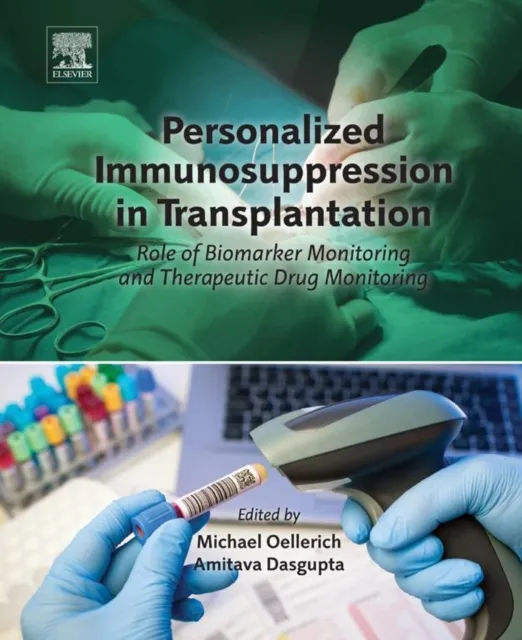
Personalized Immunosuppression in Transplantation
Role of Biomarker Monitoring and Therapeutic Drug Monitoring

Personalized Immunosuppression in Transplantation: Role of Biomarker Monitoring and Therapeutic Drug Monitoring
Provides coverage of the various approaches to monitoring immunosuppressants in transplant patients, including the most recently developed biomarker monitoring methods, pharmacogenomics approaches, and traditional therapeutic drug monitoring.
The book is written for pathologists, toxicologists, and transplant surgeons who are involved in the management of transplant patients, offering them in-depth coverage of the management of immunosuppressant therapy in transplant patients with the goal of maximum benefit from drug therapy and minimal risk of drug toxicity.
This book also provides practical guidelines for managing immunosuppressant therapy, including the therapeutic ranges of various immunosuppressants, the pitfalls of methodologies used for determination of these immunosuppressants in whole blood or plasma, appropriate pharmacogenomics testing for organ transplant recipients, and when biomarker monitoring could be helpful.
Focuses on the personalized management of immunosuppression therapy in individual transplant patients
Presents information that applies to many areas, including mass spectrometry, assay design, assay validation, clinical chemistry, and clinical pathology
Provides practical guidelines for the initial selection and subsequent modifications of immunosuppression therapy in individual transplant patients
Reviews the latest research in biomarker monitoring in personalizing immunosuppressant therapy, including potential new markers not currently used, but with great potential for future use
Explains how monitoring graft-derived, circulating, cell free DNA has shown promise in the early detection of transplant injury in liquid biopsy