£50.99
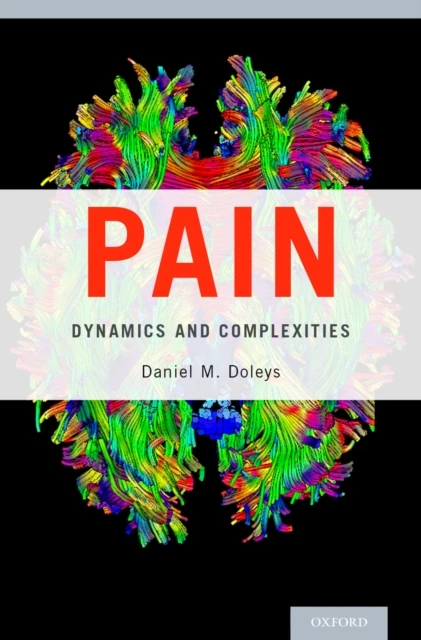
Pain: Dynamics and Complexities

Introduction
Despite the proliferation of pain clinics and various pain-oriented therapies, there is an absence of data supporting any substantial change in the statistics regarding the incidence, development and persistence of pain. As renowned pain clinician and scientist Daniel M. Doleys argues, there may be a need for a fundamental shift in the way we view pain.
Overview of the Work
In this thoughtful work, Doleys presents the evolving concept and complex nature of pain with the intention of promoting a broadening of the existing paradigm within which pain is viewed and understood. Combining neuroscience, psychology, and philosophy of science, this book reviews the history of pain and outlines the current concepts and theories regarding the mechanisms involved in the experience of pain.
Research and Theories
Experimental and clinical research in a broad array of areas including neonatal pain, empathy and pain, psychogenic pain, and genetics and pain is summarized. The notion of pain as a disease process rather than a symptom is highlighted. Although there is a continued interest in activation of the peripheral nociceptive system as a determining factor in the experience of pain, the growing appreciation for the brain as the intimate ''pain generator'' is emphasized.
Consciousness and Pain
The definition of consciousness and conscious awareness and a theory as to how it relates to nociceptive processing is discussed. Finally, the author describes the potential benefit of incorporating some of the concepts from systems and quantum theory into our thinking about pain.
Future Directions
The area of pain research and treatment seems on the precipice of change. This work intends to provide a glimpse of what these changes might be in the context of where pain research and therapy has come from, where it currently is, and where it might be headed.