£22.08
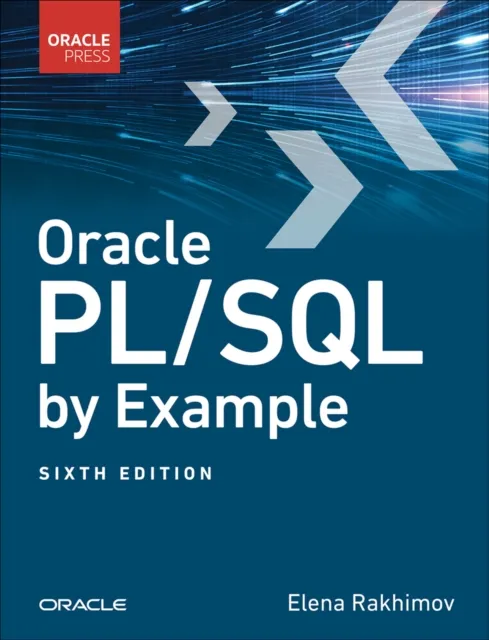
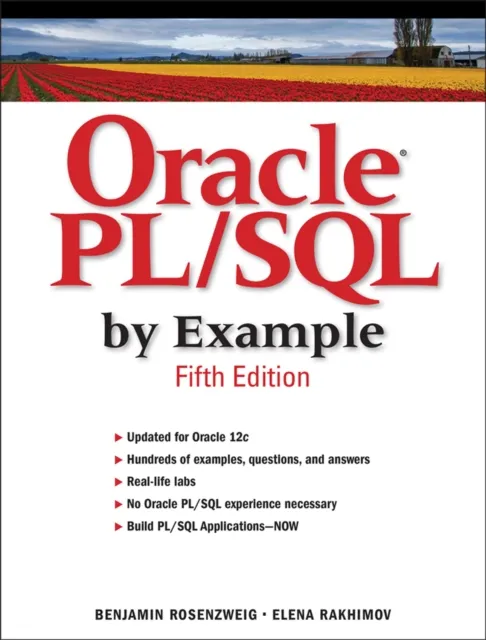
Oracle PL/SQL by Example

Using PL/SQL for Oracle Database 12c
you can build solutions that deliver unprecedented performance and efficiency in any environment, including the cloud. Oracle® PL/SQL by Example, Fifth Edition, teaches all the PL/SQL skills you’ll need, through real-world labs, extensive examples, exercises, and projects. Now fully updated for the newest version of PL/SQL, it covers everything from basic syntax and program control through the latest optimization and security enhancements.
Step by step, you’ll walk through every key task, mastering today’s most valuable Oracle 12cPL/SQL programming techniques on your own. Start by downloading projects and exercises from informit.com/title/0133796787. Once you’ve done an exercise, the authors don’t just present the answer: They offer an in-depth discussion introducing deeper insights and modern best practices.
This book’s approach fully reflects the authors’ award-winning experience teaching PL/SQL to professionals at Columbia University. New database developers and DBAs can use it to get productive fast; experienced PL/SQL programmers will find it to be a superb Oracle Database 12c solutions reference.
New in This Edition
- Updated code examples throughout
- Result-caching of invoker’s right functions for better performance
- Extended support for PL/SQL-only data types in dynamic SQL, OCI, and JDBC
- Security enhancements, including ACCESSIBLE BY whitelists, improved privilege control, and Invisible Columns
Other topics covered
- Mastering basic PL/SQL concepts and language fundamentals, and understanding SQL’s role in PL/SQL
- Using conditional and iterative program control, including CONTINUE and CONTINUE WHEN
- Efficiently handling errors and exceptions
- Working with cursors and triggers, including compound triggers
- Using stored procedures, functions, and packages to write modular code that other programs can run
- Working with collections, object-relational features, native dynamic SQL, bulk SQL, and other advanced features