£119.50
Optimization Methods in VLSI Design
A Machine-Generated Literature Overview

Introduction
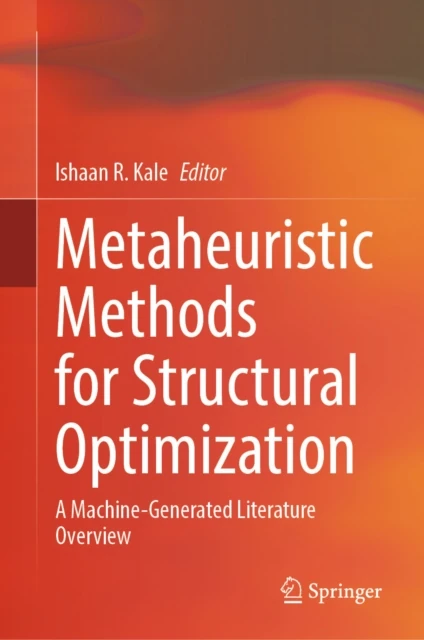
This book presents the result of an innovative challenge, to create a systematic literature overview driven by machine-generated content. This machine-generated volume, with chapter introductions by the human expert, of summaries of the existing studies furthers our understanding of the optimization methods in VLSI design.
Content Overview
This book reviews several algorithms and methods used for solving optimization problems in VLSI Design. It introduces optimization methods in VLSI Design using meta-heuristic algorithms and how they can be applied to problems like Physical Design, Floor Planning, etc.
It provides a review of High-level Synthesis techniques such as measuring the quiescent current from the power supply, crosstalk noise mitigation methodology, and geometric programming for gate-sizing to reduce the design time of a VLSI Circuit.
The book delves into Power Grid Synthesis, Efficient Testing and Verification Methods, Optimization Approaches for Clocking, and Delay Minimization.
Target Audience
This book is written for researchers, professionals, and students working in the core areas of electronics and their applications, especially in digital VLSI design and systems.
AI and Content Structuring
Questions and related keywords were prepared for the machine to query, discover, collate and structure by Artificial Intelligence (AI) clustering. The AI-based approach seemed especially suitable to provide an innovative perspective as the topics are indeed both complex, interdisciplinary and multidisciplinary.
Springer Nature has published much on these topics in its journals over the years, so the challenge was for the machine to identify the most relevant content and present it in a structured way that the reader would find useful.
The automatically generated literature summaries in this book are intended as a springboard to further discoverability. They are particularly useful to readers with limited time, looking to learn more about the subject quickly and especially if they are new to the topics.
Publisher's Commitment
Springer Nature seeks to support anyone who needs a fast and effective start in their content discovery journey, from the undergraduate student exploring interdisciplinary content to Master- or PhD-thesis developing research questions, to the practitioner seeking support materials, this book can serve as an inspiration, to name a few examples.
It is important to us as a publisher to make advances in technology easily accessible to our authors and find new ways of AI-based author services that allow human-machine interaction to generate readable, usable, collated, research content.