£199.50
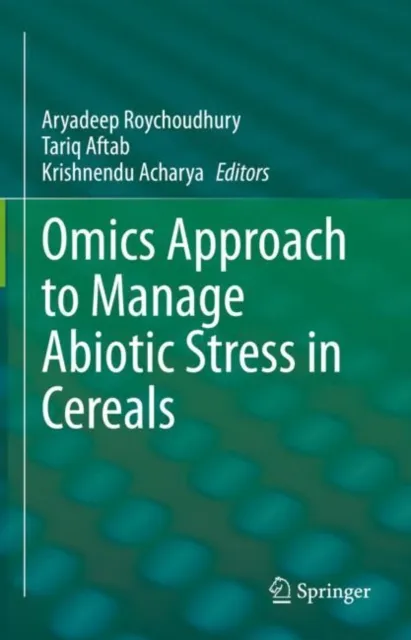
Omics Approach to Manage Abiotic Stress in Cereals

Highlights of the Book
The edited book highlights various emerging Omics tools and techniques that are currently being used in the analysis of responses to different abiotic stress in agronomically important cereals and their applications in enhancing tolerance mechanisms.
Plants are severely challenged by diverse abiotic stress factors such as low water availability (drought), excess water (flooding/ waterlogging), extremes of temperatures (cold, chilling, frost, and heat), salinity, mineral deficiency, and heavy metal toxicity.
Agronomically important cereal crops like Rice, Wheat, Maize, Sorghum, Pearl Millet, Barley, Oats, Rye, Foxtail Millets etc., which are the major sources of food material and nutritional components for human health, are mostly exposed to abiotic stresses during the critical phases of flowering and grain yield.
Different Omics platforms like genomics, transcriptomics, proteomics, metabolomics, and phenomics, in conjunction with breeding and transgenic technology, and high throughput technologies like next-generation sequencing, epigenomics, genome editing, and CRISPR-Cas technology have emerged altogether in understanding abiotic stress response and strengthening defense and tolerance mechanisms of different cereals.
This book is beneficial to different universities and research institutes working with various cereal crops in the areas of stress physiology, stress-associated genes and proteins, genomics, proteomics, genetic engineering, and other fields of molecular plant physiology.
The book can also be used as an advanced textbook for coursework of research and master’s level students. It will be of use to people involved in ecological studies and sustainable agriculture.
The proposed book brings together global leaders working on environmental stress in different cereal crops and motivates scientists to explore new horizons in the relevant areas of research.