£23.99
Old Whigs
Burke, Lincoln, and the Politics of Prudence

Introduction
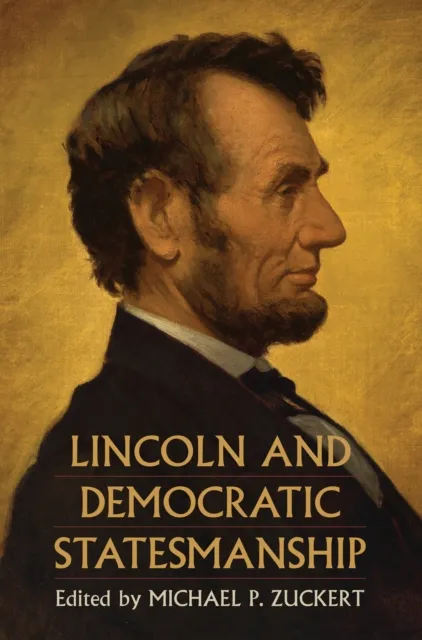
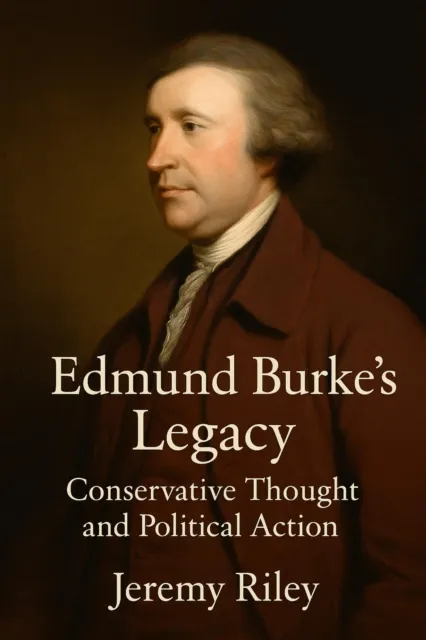
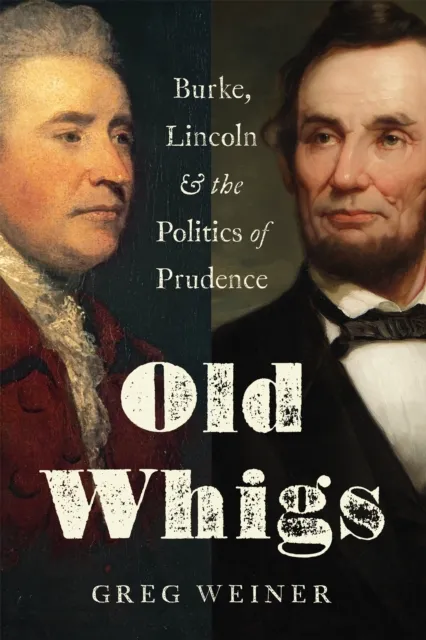
The virtue of prudence suffuses the writings of Edmund Burke and Abraham Lincoln, yet the demands of statecraft compelled both to take daring positions against long odds: Burke against the seemingly inexorable march of the French Revolution, Lincoln against disunion at a moment when the Northern situation appeared untenable. Placing their statesmanship and writings in relief helps to illuminate prudence in its full dimensions: inflected with caution but not confined to it, bound to circumstance, and finding expression in the particular but grounded in the absolute. This comparative study of two thinkers and statesmen who described themselves as “Old Whigs” argues for a recovery of prudence as the political virtue par excellence by viewing it through the eyes, words, and deeds of two of its foremost exemplars.
Prudence in Burke and Lincoln
Both statesmen who were deeply informed by the life of the mind, Burke and Lincoln illustrate prudence in its universal but also contrasting dimensions. Burke emphasized the primacy of feeling, Lincoln the axioms of logic. Burke saw British prudence emanating from the mists of ancient history; for Lincoln, America’s soul lay in a discrete moment of founding in 1776. Yet both were moved by a respect for the mysterious and customary. Each maintained the virtue of compromise while adhering to immovable commitments.
Contemporary Relevance
At a time when American politics, and American conservatism in particular, teems with a desire for boldness but also an innate resistance to schemes of social or political transformation, this book answers with a fuller and richer account of prudence as it emerges in the thought and action of two of the greatest statesmen and thinkers of modern times.