£42.99
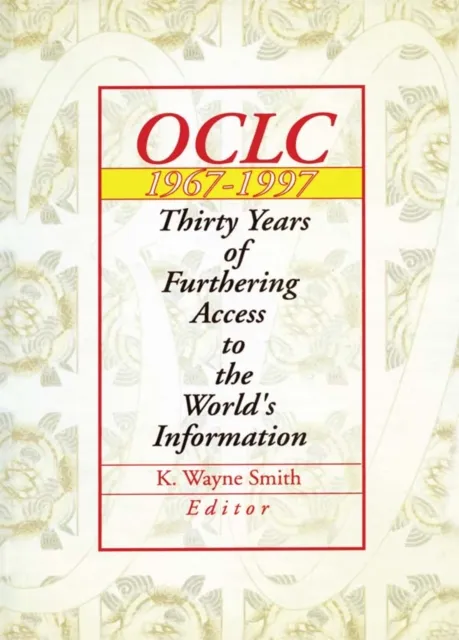
Oclc 1967:1997
Thirty Years of Furthering Access to the World's Information

In OCLC 1967--1997: Thirty Years of Furthering Access to the World''s Information, you''ll see how libraries, librarians, and librarianship have changed dramatically since the late sixties, when OCLC was founded as a nonprofit, membership, computer library service and research organization. You''ll also see how far information professionals have come in their common crusade to provide access to the ever-expanding body of information worldwide. OCLC 1967--1997 gives you both a look back and a look forward across thirty years of continuous technological change as OCLC grows from an Ohio network of 54 academic libraries to a global network of 26,000 libraries in 65 countries. Eighteen experienced authors give you a panoramic overview and specific insight into OCLC as both a membership organization and a provider of computer services. You''ll see how libraries and librarians have an institutionalized voice for libraries in OCLC’s strategic directions. And, you''ll better understand how the shared commitment of OCLC members to the ideals of research, scholarship, and education has created a unique library resource--WorldCat--which has become the most consulted database in higher education. Specifically, you''ll read about:
the changing tasks of cataloging, from automatic processing of print materials to the new challenges of electronic metadata
the revolution in reference services and resource sharing
OCLC in Asia Pacific, Europe, and Latin America
today''s leading-edge electronic libraries--GALILEO and the CIC VEL
research at OCLC
the new electronic scholarship
OCLC 1967--1997 is for library professionals in libraries of all types. It is a definitive guidebook to today''s OCLC and to all those who are helping their libraries and staffs deal with the challenges and opportunities of the Information Age.