£47.99
Nuclear Energy Safety and International Cooperation
Closing the World's Most Dangerous Reactors

Introduction
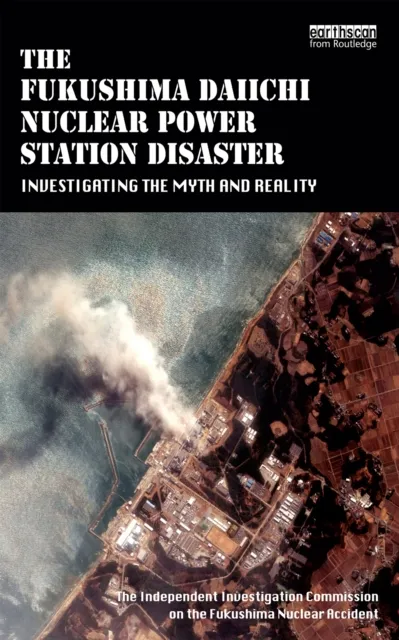
Twenty-five years after the Chernobyl explosion, disaster struck once again after a tsunami overwhelmed the considerable safety measures at the Fukushima nuclear power plant in Japan. However, Fukushima had in place a solid containment structure to reduce the spread of radiation in the event of a worst-case scenario; Chernobyl did not. These two incidents highlight the importance of such safety measures, which were critically lacking in an entire class of Soviet-designed reactors.
Analysis
This book examines why five countries operating these dangerous reactors first signed international agreements to close them within a few years, then instead delayed for almost two decades. It looks at how political decision makers weighed the enormous short-term costs of closing those reactors against the long-term benefits of compliance, and how the political instability that dominated post-Communist transitions impacted their choices. The book questions the efficacy of Western governments’ efforts to convince their Eastern counterparts of the dangers they faced, and establishes a causal relationship between political stability and compliance behavior. This model will also enable more effective assistance policies in similar situations of political change where decision makers face considerable short-term costs to gain greater future rewards.
Target Audience
This book provides a valuable resource for postgraduate students, academics and policy makers in the fields of nuclear safety, international agreements, and democratization.