£129.50
Nonconformist Perspectives on Animals and Language
Speaking for the Voiceless

Overview
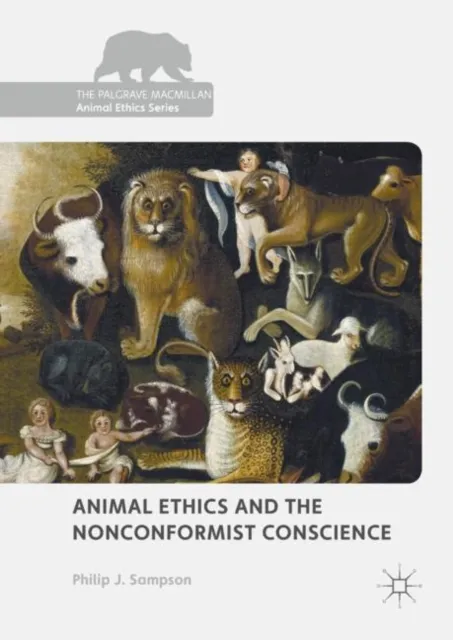
This book explores how seventeenth-century nonconformist Christian discourse gave animals a voice in public life, challenging dominant anthropocentric narratives. Drawing on historical, theological, and ethical perspectives, Philip J. Sampson traces a subjugated language of resistance that once shaped institutions such as the RSPCA and continues to offer incisive critiques of contemporary practices including hunting, warfare, animal experimentation, and meat consumption.
Imagining Creation
Envisioning creation as song, the book reimagines human-animal relations as co-creative and mutually vulnerable, offering a compelling alternative to both instrumentalist and zoocentric frameworks.
Historical and Biblical Engagement
Engaging with biblical texts and historical voices, Sampson uncovers a rich tradition of animal advocacy rooted in kindness, sacrifice, and restoration.
Target Audience
This interdisciplinary study will appeal to scholars and students in animal ethics, theology, religious studies, and early modern history, as well as practitioners and advocates seeking new ethical resources for contemporary debates.