£179.50
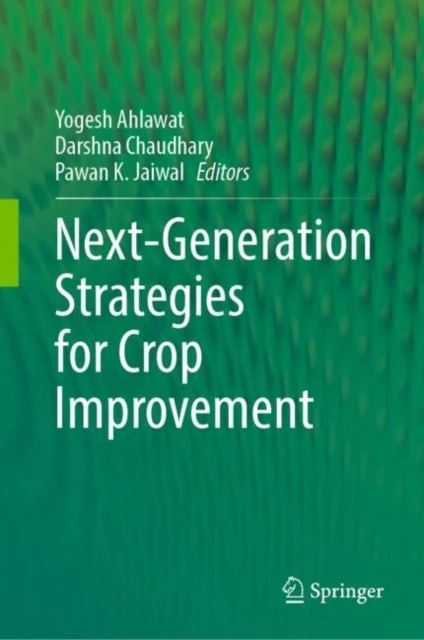
Next-Generation Strategies for Crop Improvement

Overview
This edited volume serves as a comprehensive collection of methodologies, paradigms, and case studies explaining novel approaches for crop improvement programs. It summarizes the collective knowledge of leading experts in agronomy, genetics, biotechnology, and related fields, offering a holistic perspective on the multifaceted aspects of modern crop enhancement.
Context and Importance
In an era of climate change, increasing population, and environmental degradation, the need for revolutionary advancements in agriculture has never been more urgent. This book delves into the transformative potential of emerging methodologies, from precision breeding and genetic engineering to computational biology and synthetic biology.
Key Themes and Content
Through compelling case studies and insightful analyses, readers discover how novel approaches are revolutionizing crop breeding, cultivation, and resilience. The central theme of the book is the promotion of sustainable agricultural practices and the development of resilient crop varieties capable of withstanding environmental stressors, pests, and diseases.
The book fosters interdisciplinary collaboration crucial for tackling complex agricultural challenges by combining insights from diverse disciplines, including bioinformatics, computational biology, and ecological sciences. From disease-resistant crops to stress-tolerant varieties, the advanced strategies of crop improvement offer avenues for sustainable agriculture and global food security.
Intended Audience
This book is essential reading for students, academics, researchers, scientists, and policymakers interested in and working in the fields of agriculture or biotechnology.