£9.99
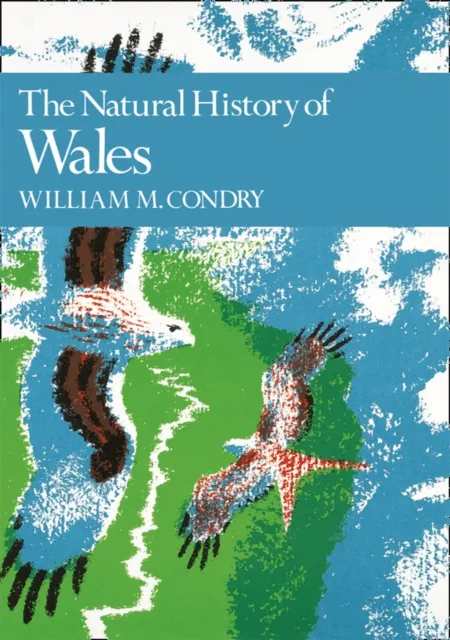
Natural History of Wales

Introduction
This book is an attempt to survey the natural history of the whole of Wales. It therefore covers such areas as Snowdonia and the Brecon Beacons as well as the spectacularly beautiful Pembrokeshire coast and the less well-known but no less interesting areas of mid-Wales.
Wales is a country of great geographical and biological diversity, a largely mountainous land whose eastern scarps overlook the richer plains of Mercia. William Condry is an acute observer of the potentialities of terrain, and particularly in respect of wildlife habitats. The author of the distinguished volume on Snowdonia in the New Naturalist series, he is the ideal person to write about one of the best-known and best-loved parts of Great Britain.
Scope of the Book
This book is an attempt to survey the natural history of the whole of Wales. It therefore covers such areas as Snowdonia and the Brecon Beacons as well as the spectacularly beautiful Pembrokeshire coast and the less well-known but no less interesting areas of mid-Wales.
Describing each kind of terrain in turn, William Condry has explored and surveyed the face of this unique land as few others have done. Beginning with corries, crags and summits, he goes on to consider moorlands, mires and conifers. There then follow rivers, lakes and marshes; the native woodlands; limestone flora; farmlands, villages and estates; the industrial scene; and finally perhaps the most striking terrain of all, the coast. This encompasses polders, peatlands, beaches, dunes and estuaries as well as cliffs, headlands and island.
Wildlife and Conservation
Within each of these areas William Condry brings a wealth of experience to bear on the more obvious aspects of wildlife – flowering plants and ferns, mammals, birds, fish, reptiles and amphibians. Important rarities such as the Snowdon lily or the red kite are, of course, included, but always with the intention of establishing a proper respect for their conservation.
Conclusion
Affectionate and thoroughly informative, full of insights into local history and always a delight to read, this is a magnificent introduction to Wales and its countryside.