£175.00
Nanocarriers in Neurodegenerative Disorders
Therapeutic Hopes and Hypes

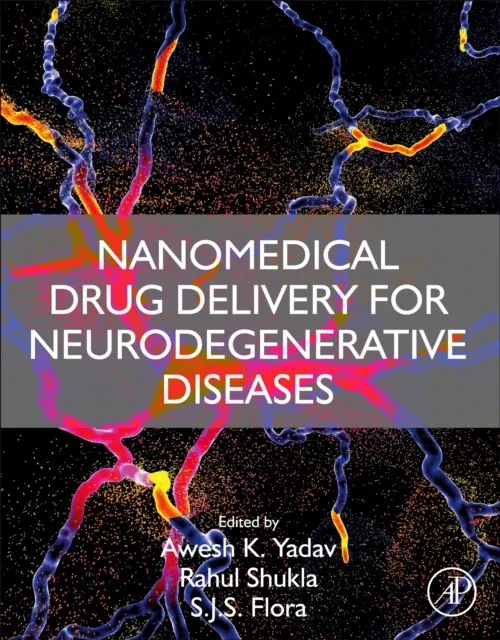
Due to the lack of secure, efficient, and patient-friendly therapies for neurodegenerative disorders, there is a rising demand for innovative approaches. Despite the limited number of nanocarriers approved for human use, they have demonstrated significant potential in preclinical and, in some instances, clinical trials. In alignment with this objective, the chapters of the book are structured to offer a comprehensive overview of recent advancements in medication and dosage form development, specifically emphasizing the nanoparticulate system for targeting the brain. This book aims to furnish readers with a thorough understanding of the clinical application of nanocarrier systems for treating neurodegenerative disorders, encompassing the latest developments, challenges, safety concerns, toxicity issues, regulatory considerations, prospects, and limitations. Individuals in academia, the scientific community, business, and education seeking a more effective approach to target the brain will find valuable insights in this resource.
Key Features
Provides a comparative perspective of various nanocarrier systems, therefore facilitating the researcher’s selection of appropriate nanoparticulate carriers
Highlights the related restrictions of brain delivery and current available medicines
Includes information on the advantages and disadvantages of various biomaterials utilized in the development of nanocarriers for brain targeting
Emphasizes distinct facets of surface functionalization according to the brain area of interest
Presents the current advances, preclinical and clinical development, and the future potential of multiple brain-targeting technologies