£49.99
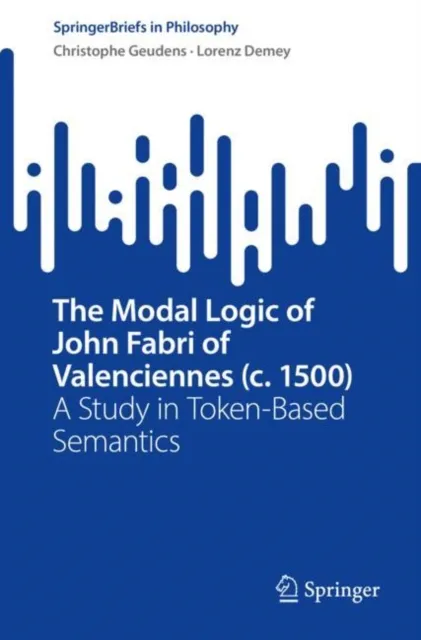
Modal Logic of John Fabri of Valenciennes (c. 1500)
A Study in Token-Based Semantics

Introduction
The first book-length study to address issues in modal logic at the eve of the Renaissance, this monograph provides important new insights into the way the debates on modal logic during the post-medieval period tied in with the so-called Wegestreit, the divide between the via antiqua and via moderna that dominated the discourse on logic during the 15th and early 16th centuries.
Focus of the Book
The focus of the book is on the logic and philosophy of language of John Fabri of Valenciennes (fl. c. 1500), one of the last exponents of the terminist approach to logic that was bitterly criticized by the humanist movement. By means of a careful reconstruction of Fabri’s text, the book argues that Fabri's modal logic ultimately goes back to the work of John Buridan, and represents the same approach to the topic as the modal logics that were developed by adherents of the via moderna in Paris.
Implications and Historical Context
This has significant implications for the historiography of post-medieval philosophy. Fabri was active in Louvain, which until the late 16th century was the most important intellectual center in the Low Countries. According to a long-standing tradition in the scholarship, Louvain was one of the few bulwarks of via antiqua logic on the map of post-medieval Europe. The book argues that this thesis is at least in part a scholarly fiction, and thus in need of revision.
Significance of the Study
By shedding light on an author whose thought has thus far remained entirely unstudied, it also constitutes a valuable step towards a history of philosophy without any gaps. The book is aimed at graduate students and researchers in the history of logic and philosophy, but will also be of interest to intellectual historians, historians of ideas, and to any contemporary modal logician who is interested in the historical roots of their discipline.