£219.99
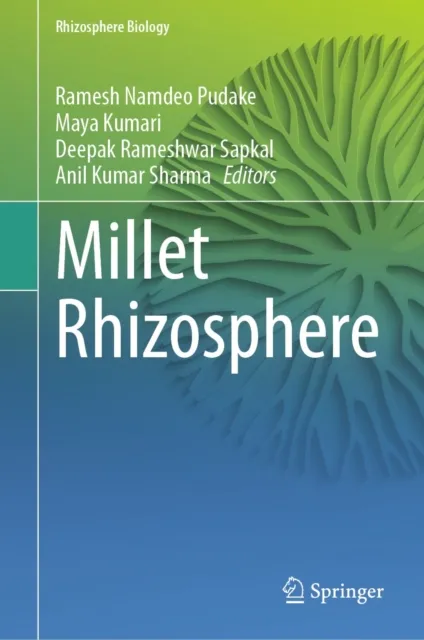
Millet Rhizosphere

Introduction
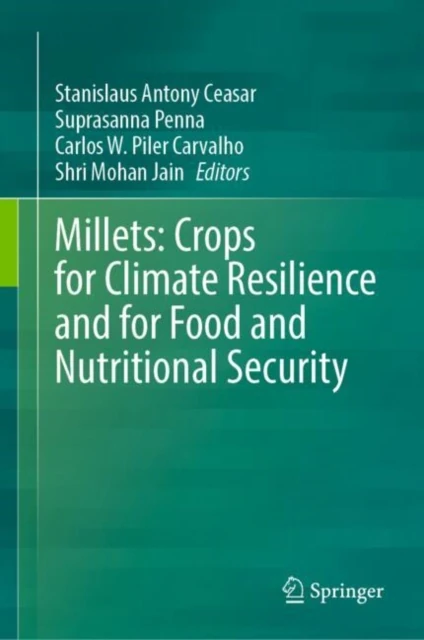
This edited volume is the first book that explicitly explains the link between the extraordinarily small-scale microbial processes and the growth and yield attributes of millet crops. This book includes chapters emphasizing on the effects of rhizosphere biology on long-term millet crop management.
Millet Crops Overview
Millets are a collection of small-grained cereal grasses that are grown for human carbohydrate needs. They are among the oldest crops, mainly divided into two groups: major and small millets based on seed size. Major millets are composed of sorghum (Sorghum bicolor) and pearl millet (Pennisetum glaucum); while small millets are composed of six species that include finger millet (Eleusine coracana (L.)), little millet (Panicum sumatrense), kodo millet (Paspalum scrobiculatum (L.)), foxtail millet (Setaria italica (L.)), barnyard millet (Echinochloa frumentacea (L.)), and proso millet (Panicum miliaceum (L.)). These crops were earlier considered orphan crops, but recently, due to their nutritional values, they are gaining importance.
Role of Rhizosphere
Various reports are published based on the role of rhizosphere on the growth and health of these crops. The rhizosphere, being a dynamic interface among the plant roots and soil microbes, provides a number of advantages to the millets too. The soil properties in the rhizospheric region are also different compared to the bulk soil.
Objectives of the Book
This book explores the functional attributes of the rhizosphere in promoting the healthy growth of millet crops and achieving higher yields during changing climatic conditions.
Intended Audience
This book is of interest to university teachers, scientists working in the field of millets, and policymakers in agricultural departments. It also serves as additional reading material for undergraduate and graduate students of agriculture, biotechnology, microbiology, genetics, and soil science.