£159.50
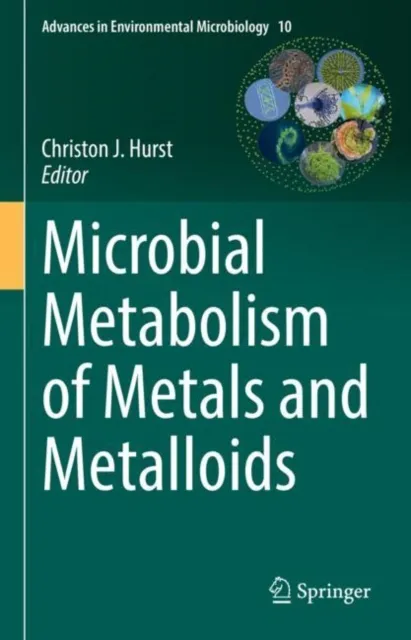
Microbial Metabolism of Metals and Metalloids

Introduction to Microbial Metal and Metalloid Ion Control
This book explains the metabolic processes by which microbes obtain and control the intracellular availability of their required metal and metalloid ions. The book also describes how intracellular concentrations of unwanted metal and metalloid ions successfully are limited. Its authors additionally provide information about the ways that microbes derive metabolic energy by changing the charge states of metal and metalloid ions.
Part One: Microbes, Metals, and Metalloids
Part one of this book provides an introduction to microbes, metals and metalloids. It also helps our readers to understand the chemical constraints for transition metal cation allocation.
Part Two: Metal Transport and Antimicrobials
Part two explains the basic processes which microbes use for metal transport. That section also explains the uses, as well as the challenges, associated with metal-based antimicrobials.
Part Three: Microbial Applications in Technology
Part three gives our readers an understanding that because of microbial capabilities to process metals and metalloids, the microbes have become our best tools for accomplishing many jobs. Their applications in chemical technology include the design of microbial consortia for use in bioleaching processes that recover metal and metalloid ions from industrial wastes. Many biological engineering tasks, including the synthesis of metal nanoparticles and similar metalloid structures, also are ideally suited for the microbes.
Part Four: Microbiology of Elements
Part four describes unique attributes associated with the microbiology of these elements, progressing through the alphabet from antimony and arsenic to zinc.