£41.99
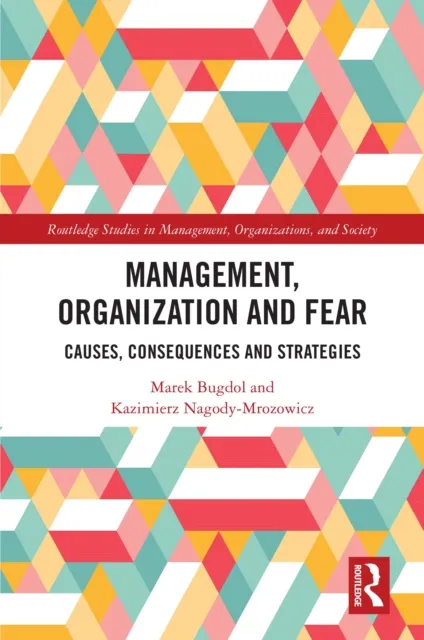
Management, Organization and Fear
Causes, Consequences and Strategies

Fear as a Fundamental Emotion
Fear is a fundamental emotion, a process combining four elements: physiological arousal, subjective feelings, cognitive interpretation and behavioural expression. The notion of fear is related to such terms as apprehension, uncertainty, risk, anxiety, horror. Fear has always accompanied people. It is ubiquitous, but its level rises when people pursue tasks or objectives, are controlled or assessed. Hence, its strong presence in management processes.
Types, Sources, and Reduction of Fear
This book illustrates various types of fear, its sources and consequences, as well as reduction methods. The authors discuss notions related to fear (e.g. uncertainty, anxiety), the significance of fear and its roles from the points of view of business owners, employees, trade unions, and managers, as well as the roles of fear in various management concepts. They present various methods and tactics of employee intimidation including humiliation, false accusations, excessive control, blackmail, bullying, and harassment.
Objectives of the Book
The objective of Management, Organization and Fear: Causes, Consequences and Strategies to make the reader aware of economic and social benefits available if an organizational environment is free from fear. It aims to ensure that the reader knows how to reduce fear and how to defend against its negative consequences and will therefore be of value to researchers, academics, managers, and students in the fields of organizational studies, human resource management, work and organizational psychology, and sociology.