£5.99
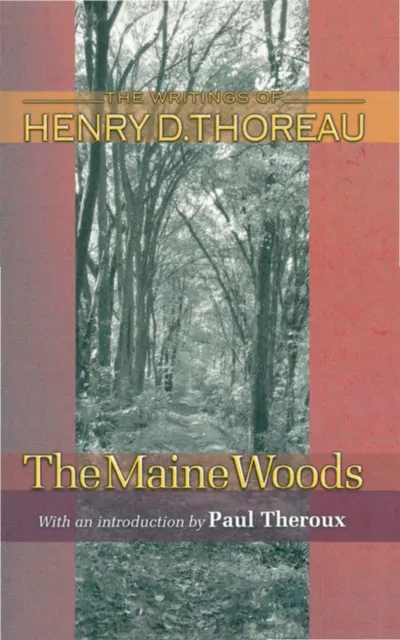
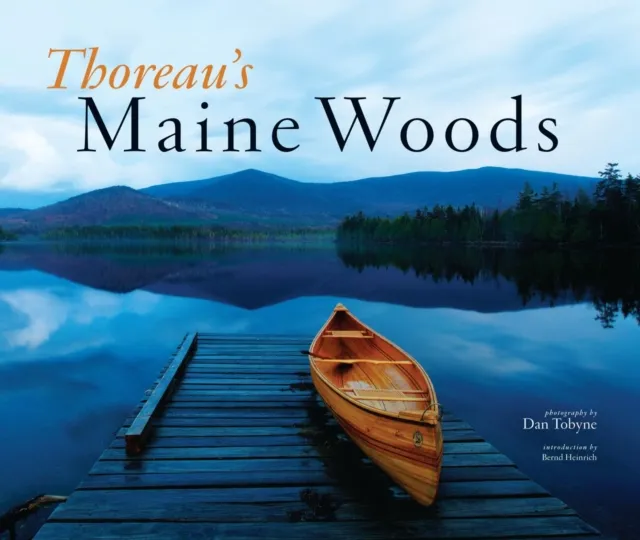
Maine Woods

Posthumous Publication and Overview
Posthumously published in 1864, The Maine Woods depicts Henry David Thoreau’s experiences in the forests of Maine, and expands on the author’s transcendental theories on the relation of humanity to Nature.
Mount Katahdin and Primal Nature
On Mount Katahdin, he faces a primal, untamed Nature. Katahdin is a place “not even scarred by man, but it was a specimen of what God saw fit to make this world.” In Maine he comes in contact with “rocks, trees, wind and solid earth” as though he were witness to the creation itself.
Contact with the Penobscot and Abenaki Languages
Of equal importance, The Maine Woods depicts Thoreau’s contact with the American Indians and depicts his tribal education of learning the language, customs, and mores of the Penobscot people. Thoreau attempts to learn and speak the Abenaki language and becomes fascinated with its direct translation of natural phenomena as in the word sebamook—a river estuary that never loses its water despite having an outlet because it also has an inlet.
Imagery and Wilderness Description
The Maine Woods illustrates the author’s deeper understanding of the complexities of the primal wilderness of uplifted rocky summits in Maine and provides the reader with the pungent aroma of balsam firs, black spruce, mosses, and ferns as only Thoreau could.
New Edition and Foreword
This new, redesigned edition features an insightful foreword by Thoreau scholar Richard F. Fleck.