£13.99
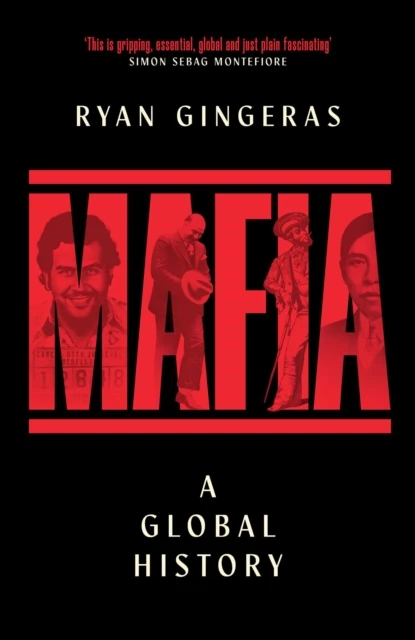
Mafia: A Global History

Book Overview
The sweeping narrative follows the evolution of the criminal underworld across the globe.
Author and Content
Gingeras's riveting book delves into the murky origins, effects and legacies of the most terrifying figures in the history of crime. The i writes well and joins the historical dots.
Historical Context
Few forces have shaped our world as powerfully or as secretly as mafias. Groups such as La Cosa Nostra, the Medellín Cartel, New York's Five Families, the Japanese yakuza and Russian vory are notorious, endlessly covered in news stories and popular media. Yet when official histories are written, their role in shaping nations, economies and societies is rarely acknowledged.
About the Book
In Mafia: A Global History, Ryan Gingeras draws on more than a decade of research to uncover this suppressed underworld history. Crossing centuries and continents, he introduces legendary figures Al Capone, Pablo Escobar, Du Yuesheng and explores the conditions, cultures and locales that gave birth to modern mafias: Sicily, Marseille, New York, Colombia, Tokyo.
As he reconstructs the rise of a gang or the life of a gangster, he also charts the expanding power of states and the increasingly international reach of trade, crime and law enforcement. After all, governments define what is a crime and who is a criminal, and their agents create the strategies used to limit or defend against their threat.
Scope and Themes
Beginning with bandits and ending with today's 'mafia states' and the alarming blurring of lines between gangsters, corporations and political leaders, this sweeping narrative traces the evolution of organised crime in response to industrialisation, globalisation and technological change.
By charting the origins, consolidation and transformation of mafias, Gingeras reveals not only where contemporary gangsters come from, but how they became central to our imagination and why they are the uncredited architects of the modern world.


