£10.27
M36/M36B1 Tank Destroyer

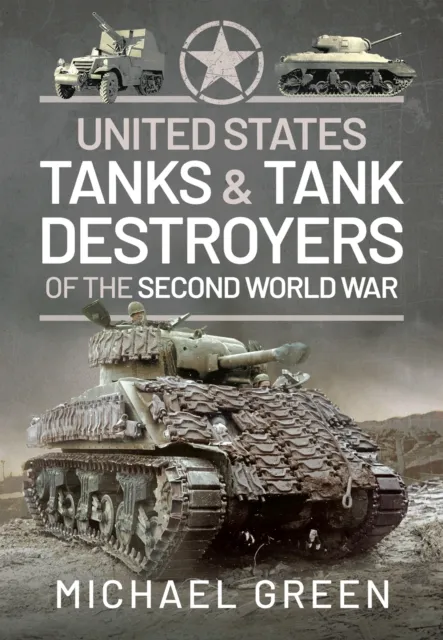
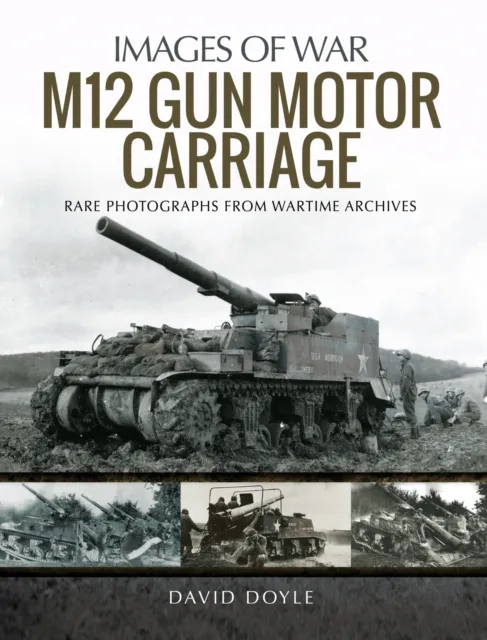
An illustrated history of two American tank destroyers used during World War II featuring rare photographs from wartime archives.
Introduction
Going into World War II, the prevailing strategy of the United States command was that tanks were not to be used to engage enemy tanks in combat. Rather, tanks were to be the armored spearhead to breach enemy positions. Enemy tanks were to be dealt with by specialized weapons, aptly named tank destroyers.
Development of Tank Destroyers
While the three-inch weapon of the M10 was superior to that found on earlier U.S. tank destroyers, it was still found to be inadequate against the ever-increasing weight of German armor. An even larger gun, the 90mm M3, was placed in a new, bigger open-topped turret on one hundred new hulls purpose built for this, and by remanufacturing M10A1s, primarily from U.S.-based training units. As the supply of these chassis was depleted, additional vehicles were created by converting Diesel-powered M10s, resulting in the M36B2. The M36B1 was built from the ground-up as a tank destroyer, using a hull based on that of the M4A3 but featuring a standard M36 turret. Examination of rare surviving vehicles indicate that the M36B1 hulls were manufactured expressly for this purpose, and were not merely M4A3 hulls that were converted.
Post-War Use and Legacy
While U.S. antitank doctrine changed, rendering all the tank destroyers obsolete post-WWII, many of these vehicles were supplied to other nations, and in fact some survived as combat vehicles into the twenty-first century.